


Realmo Blog - Page 3
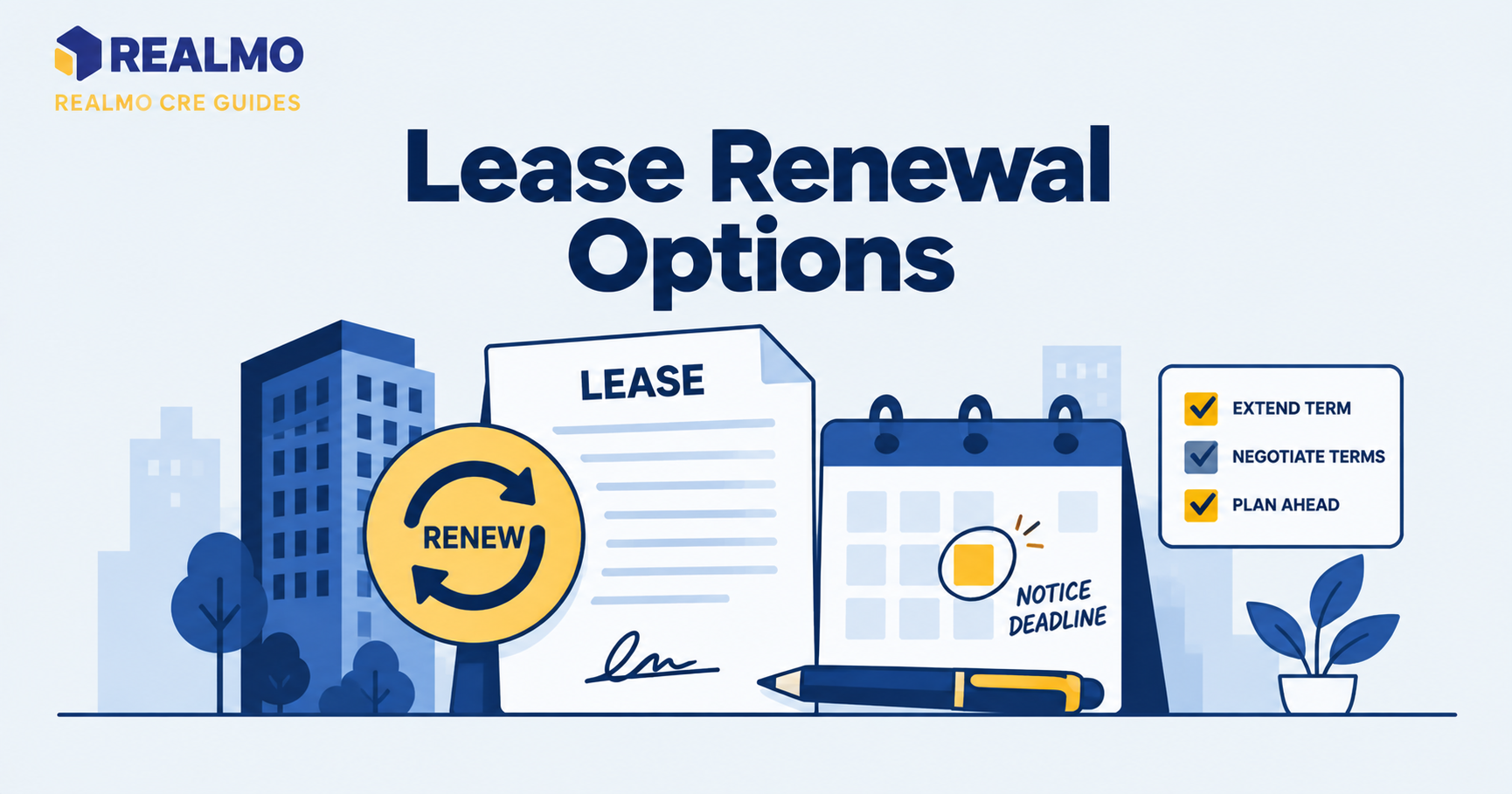
Lease Renewal Option: How Renewal and Extension Rights Work
Renewal options set notice windows, rent-setting methods and how many extensions a tenant gets. What “fair market rent” means in practice.
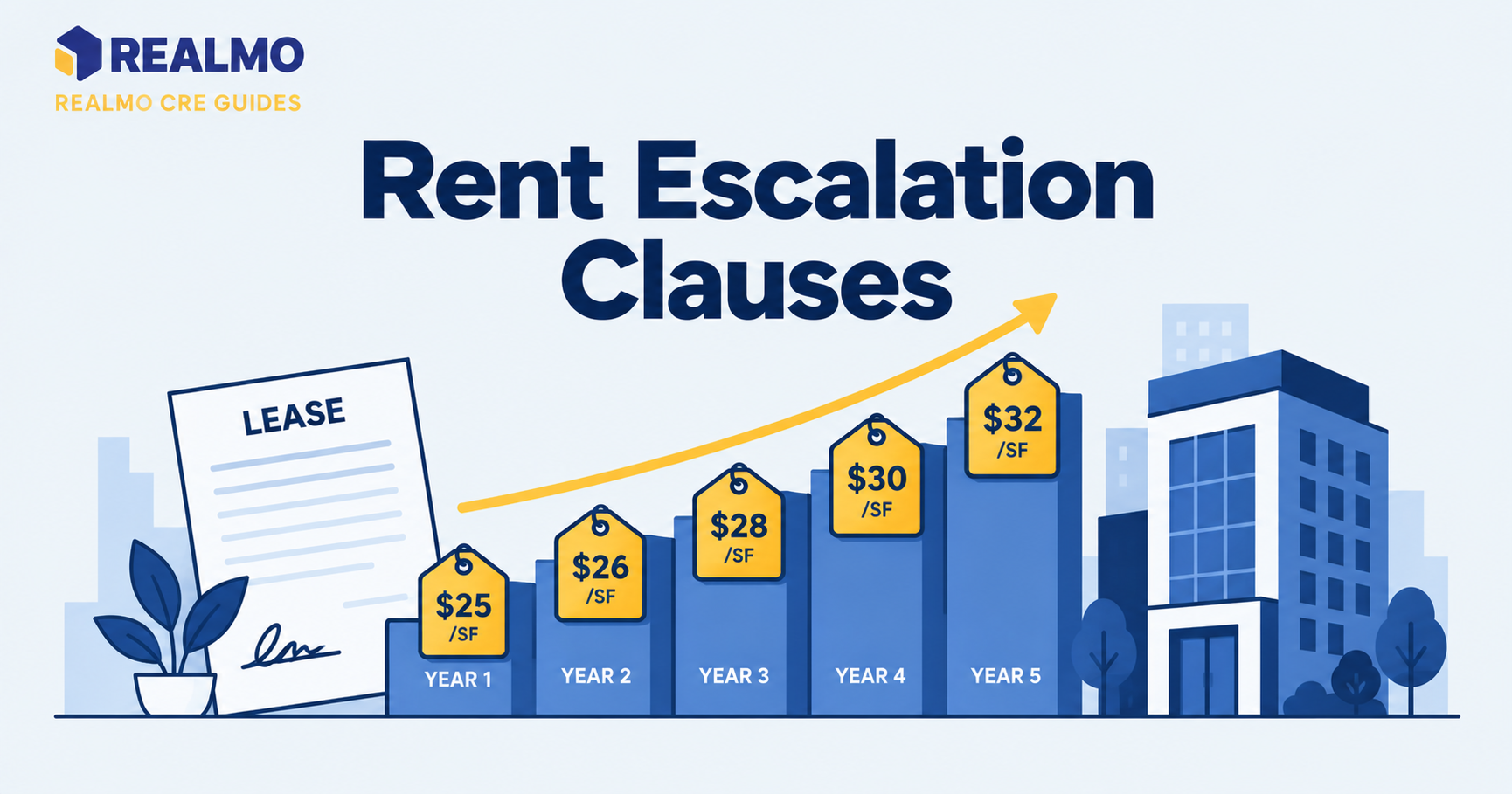
Rent Escalation Clause: How Rent Bumps Work in CRE Leases
Fixed percentage, fixed dollar, CPI-linked or stepped increases. How each escalation type compounds over a lease term, and which side it favors.
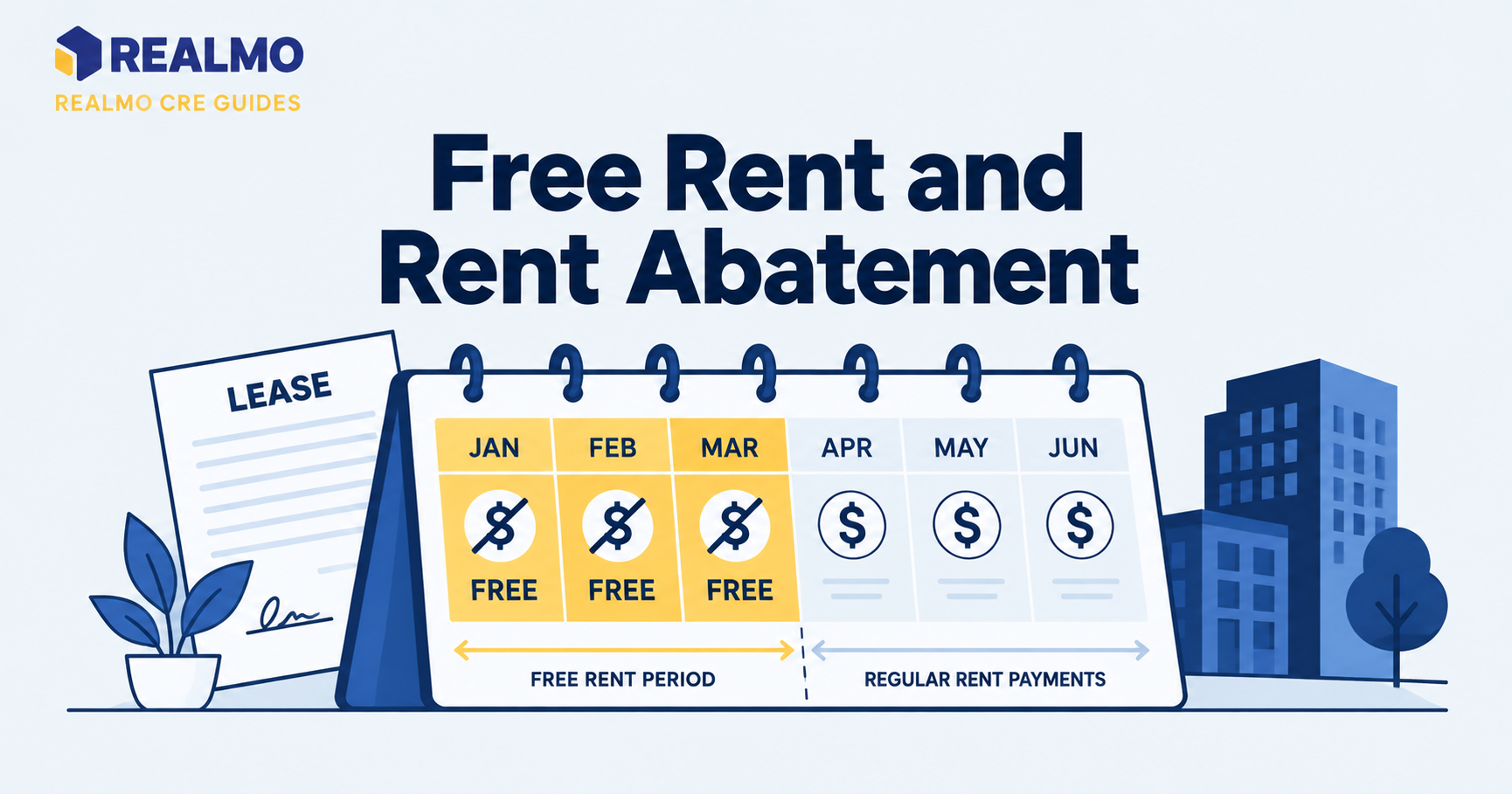
Free Rent Period and Concessions in Commercial Leases
Free rent, abatement, moving allowances and TI dollars all cut effective rent. How concessions are structured, and how landlords claw them back.
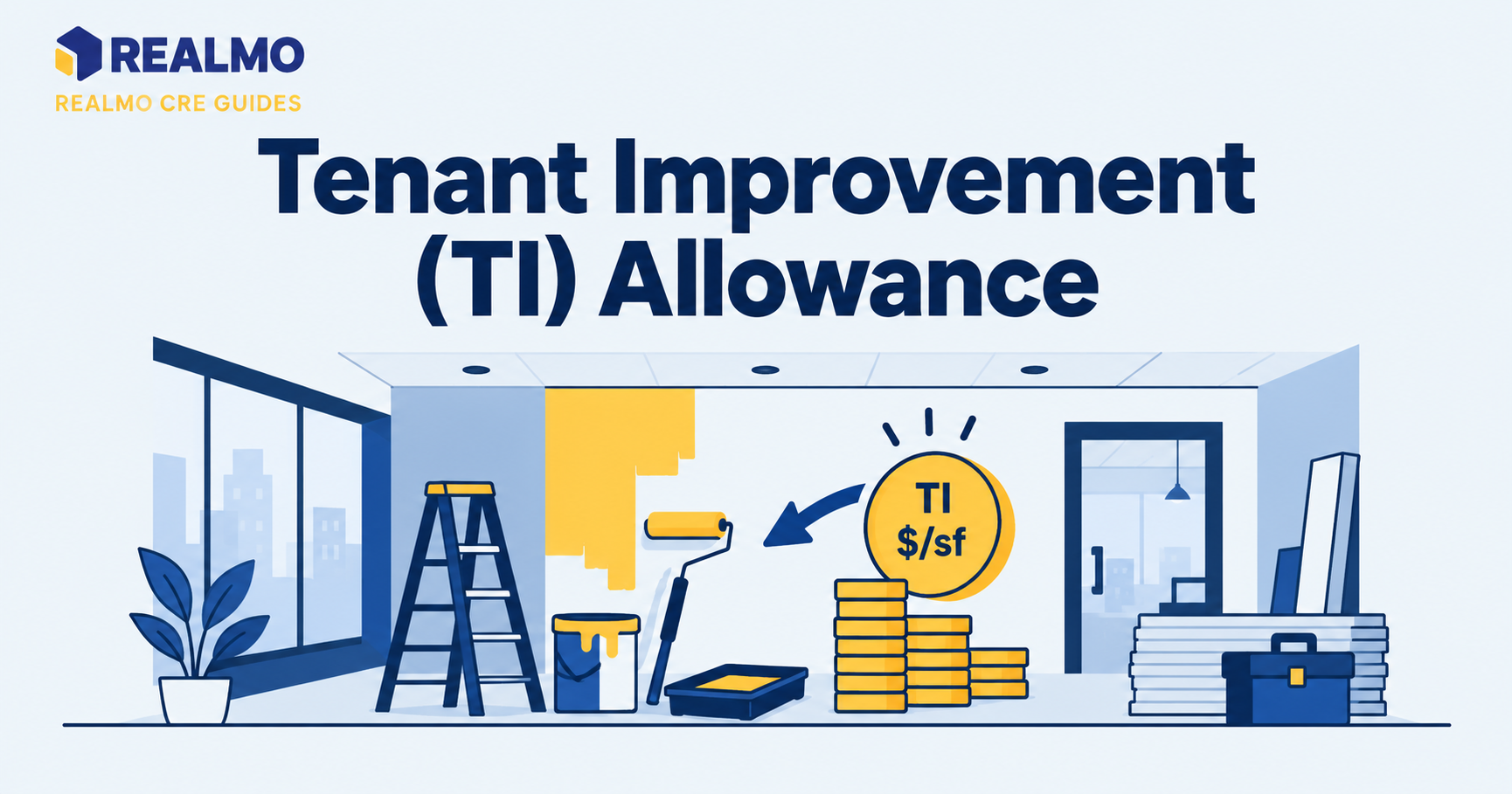
Tenant Improvement Allowance: How TI Money Works
TI allowance is quoted per square foot and paid on conditions. Who owns the improvements, how funds are disbursed, and what happens to unused money.
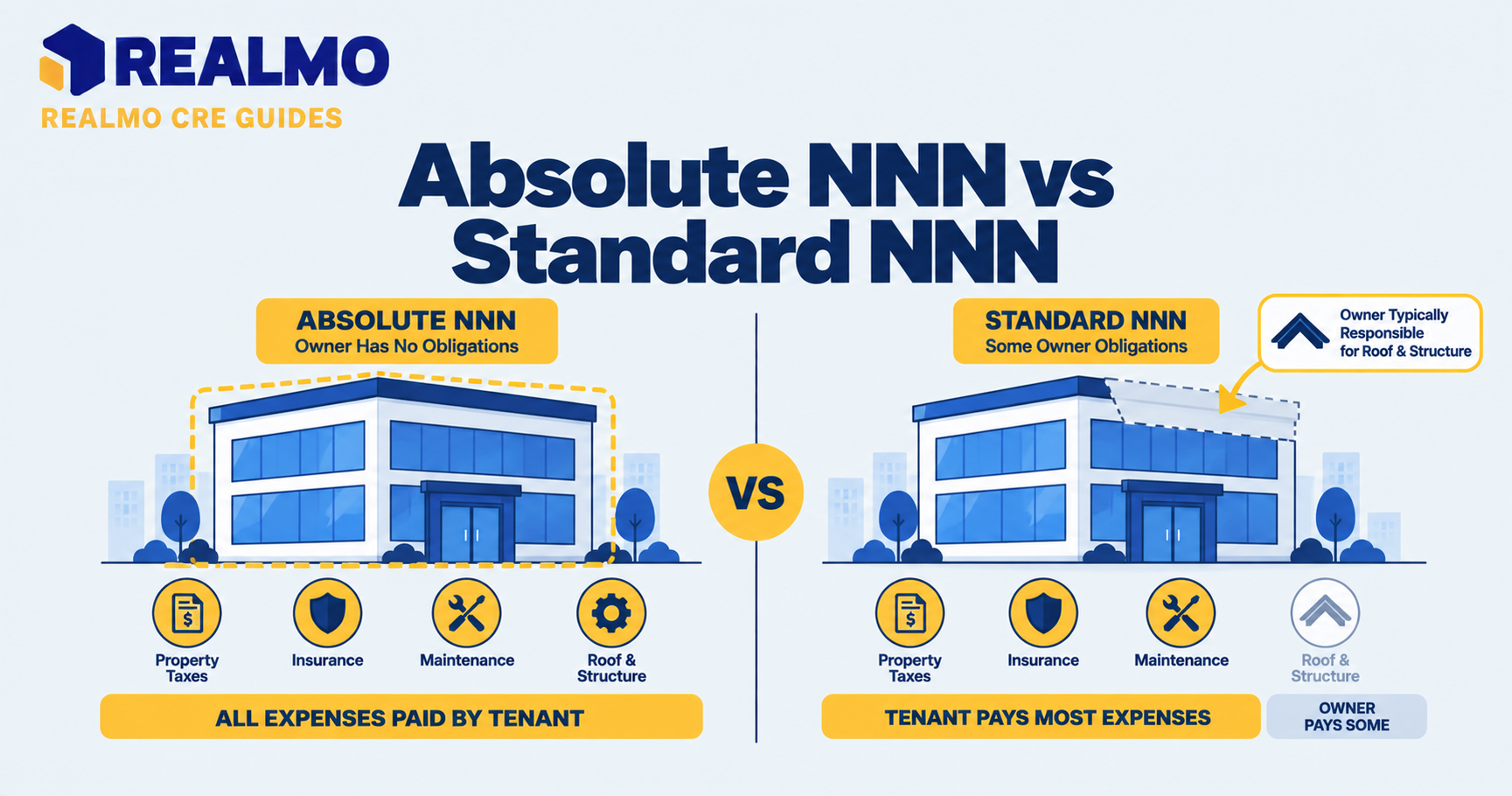
Absolute vs Standard NNN: What an Absolute NNN Lease Covers
An absolute NNN lease leaves the landlord with no obligations at all, roof, structure and casualty included. How it differs from a standard NNN.
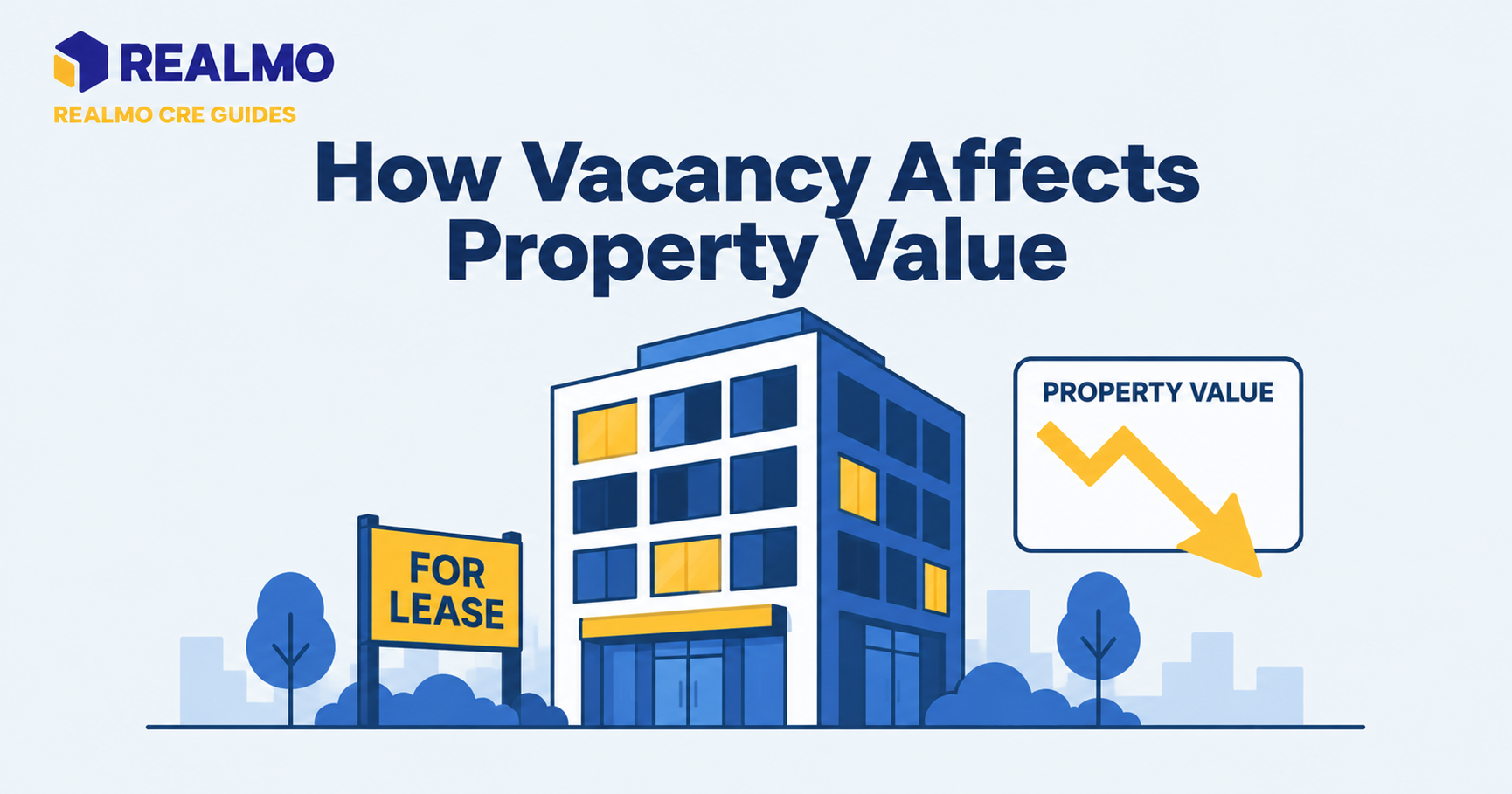
How Vacancy Affects Property Value
Empty space cuts NOI and raises the cap rate buyers demand, so value falls twice. Plus the lease-up costs and downtime buyers price in.
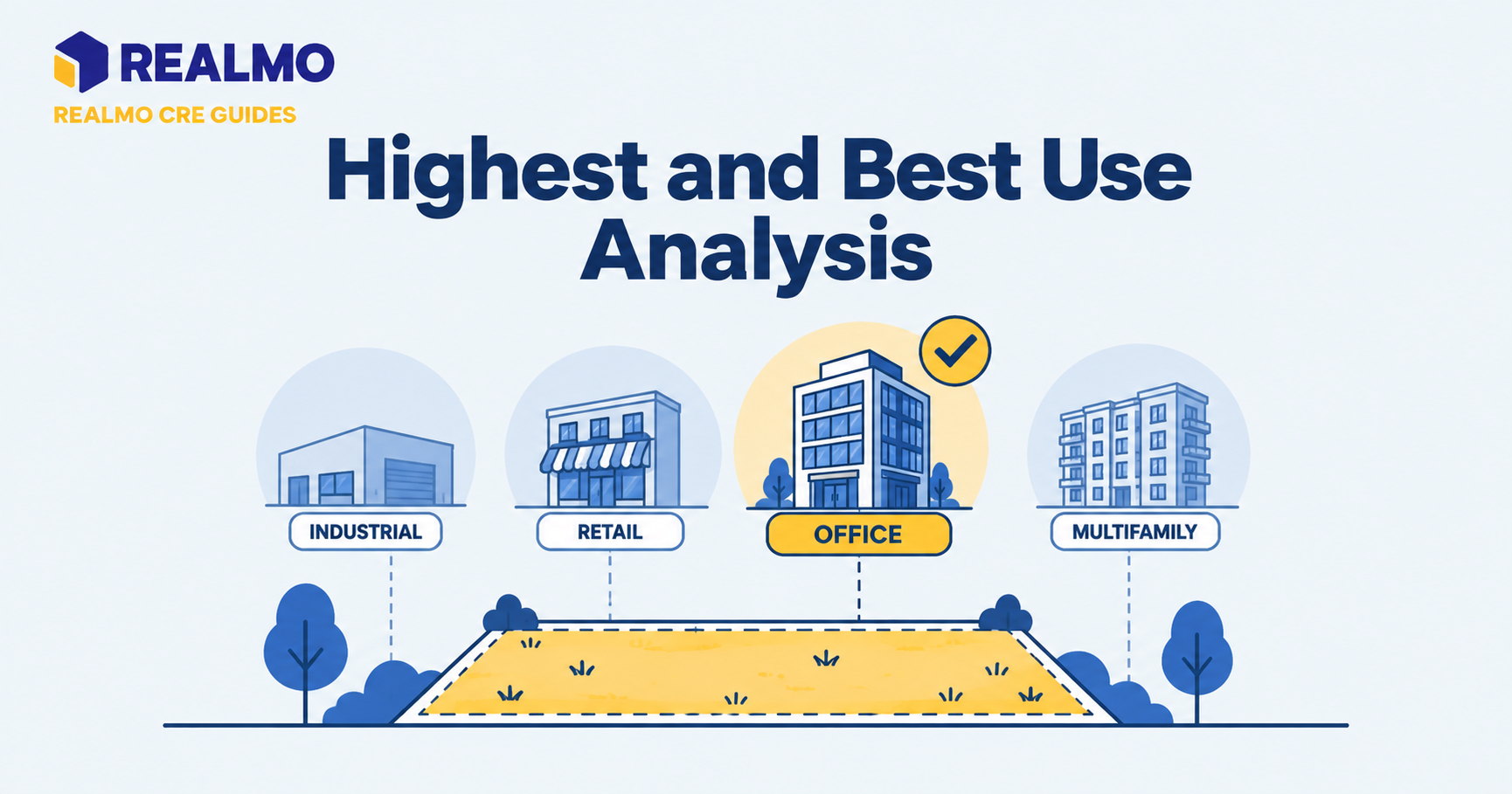
Highest and Best Use Analysis: How Appraisers Determine a Property’s Most Profitable Use
Four tests decide a property’s highest and best use: legally permissible, physically possible, financially feasible, maximally productive.
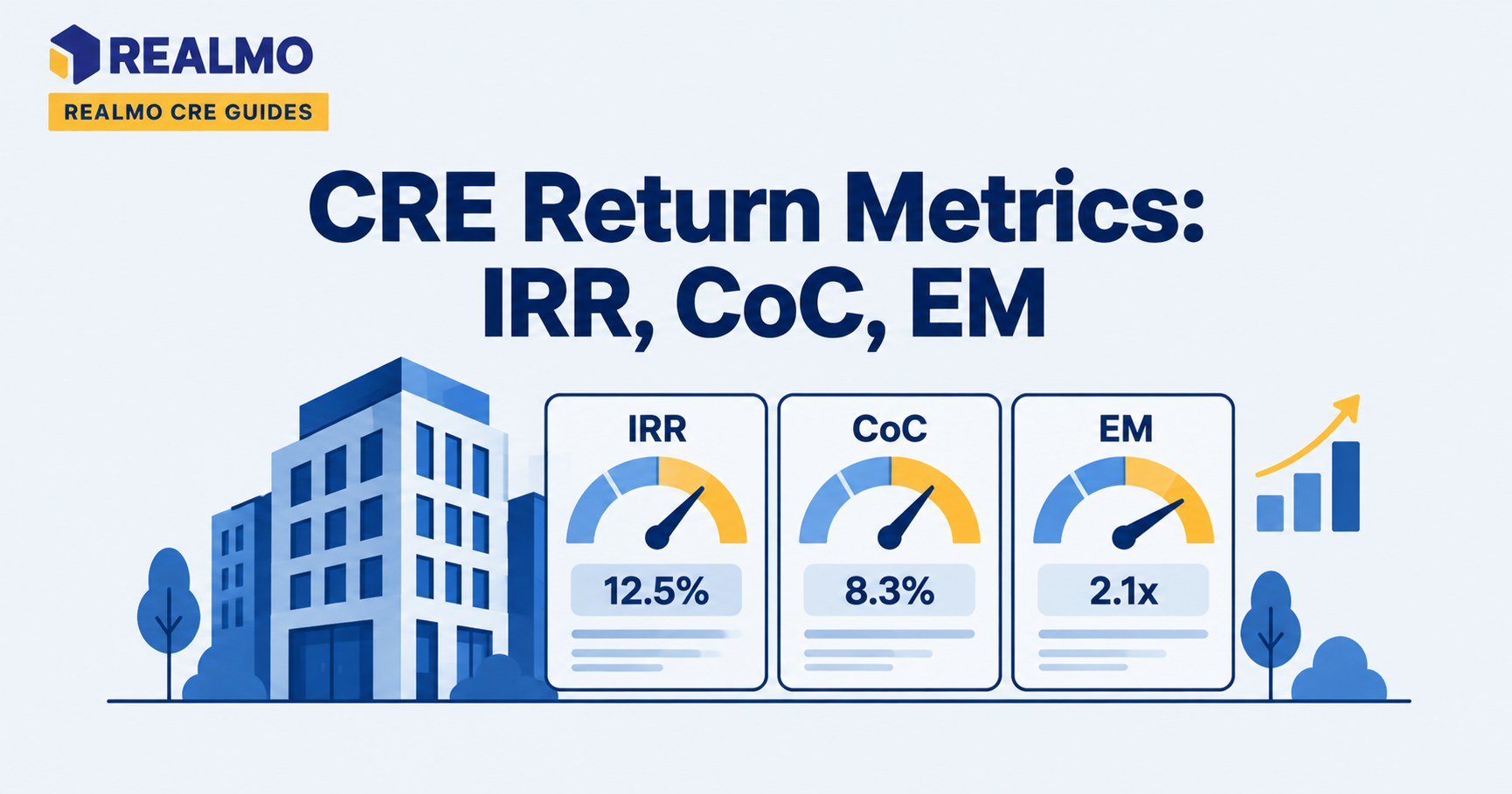
CRE Return Metrics: IRR, Cash-on-Cash and Equity Multiple
What IRR, cash-on-cash return and equity multiple each measure, and why one deal can look strong on one metric and weak on another.
Net Operating Income: What It Is and How to Use It
NOI is what a property earns before debt and taxes. The formula, what belongs in it, and how lenders and buyers use NOI to set property value.
Which Asset Class Fits Which Investor: Finding the Best Commercial Property to Invest In
Match asset class to capital, time and risk appetite: office, retail, industrial, multifamily, storage and land compared on effort and returns.
Mixed-Use Development: What It Is and How Investors Underwrite It
Mixed-use stacks retail, office and residential in one asset. How the components are financed, leased and valued, and where risk concentrates.
Cold Storage Warehouses: How Cold Storage Real Estate Works
Cold storage costs more to build and run: refrigeration, insulation, power load, racking. How investors underwrite temperature-controlled space.
Strip Centers vs Power Centers vs Malls: Types of Shopping Centers Explained
Shopping center formats compared by size, anchors, trade area and tenant mix – and what each format means for rent, vacancy and resale value.
Last-Mile Logistics Facilities: How Last Mile Logistics Real Estate Works
Last-mile facilities trade on delivery speed. Site criteria, building specs, tenant demand and how rents compare with bulk distribution warehouse.
Investing in Multifamily Property: A Complete Guide for Investors
Apartment investing from unit mix to underwriting: rent comps, expense ratios, agency financing, value-add plans and how to read a rent roll.
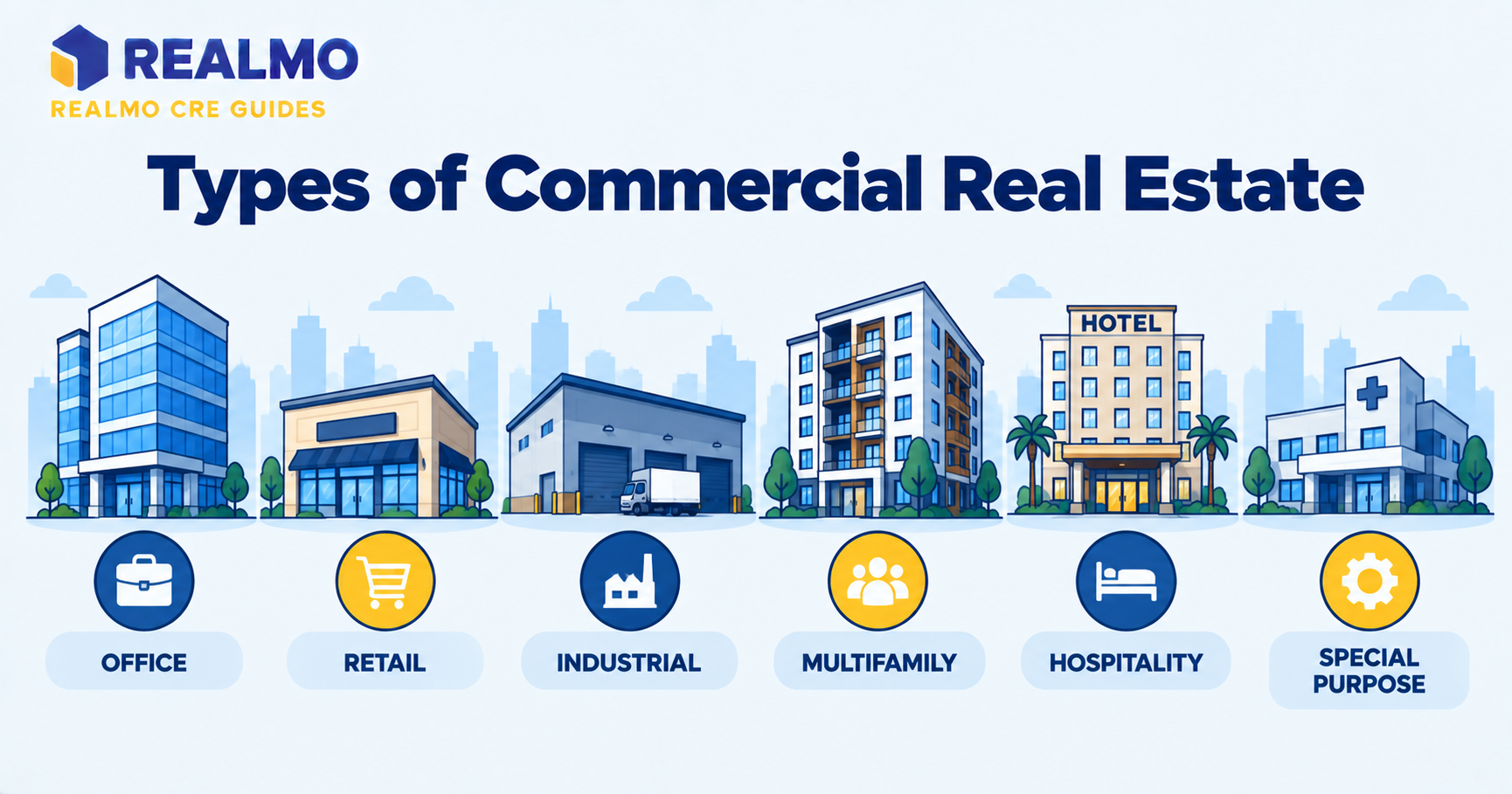
Commercial Property Types: A Complete Overview
Office, retail, industrial, multifamily, hospitality and special purpose – how each commercial property type earns money and who invests in it.
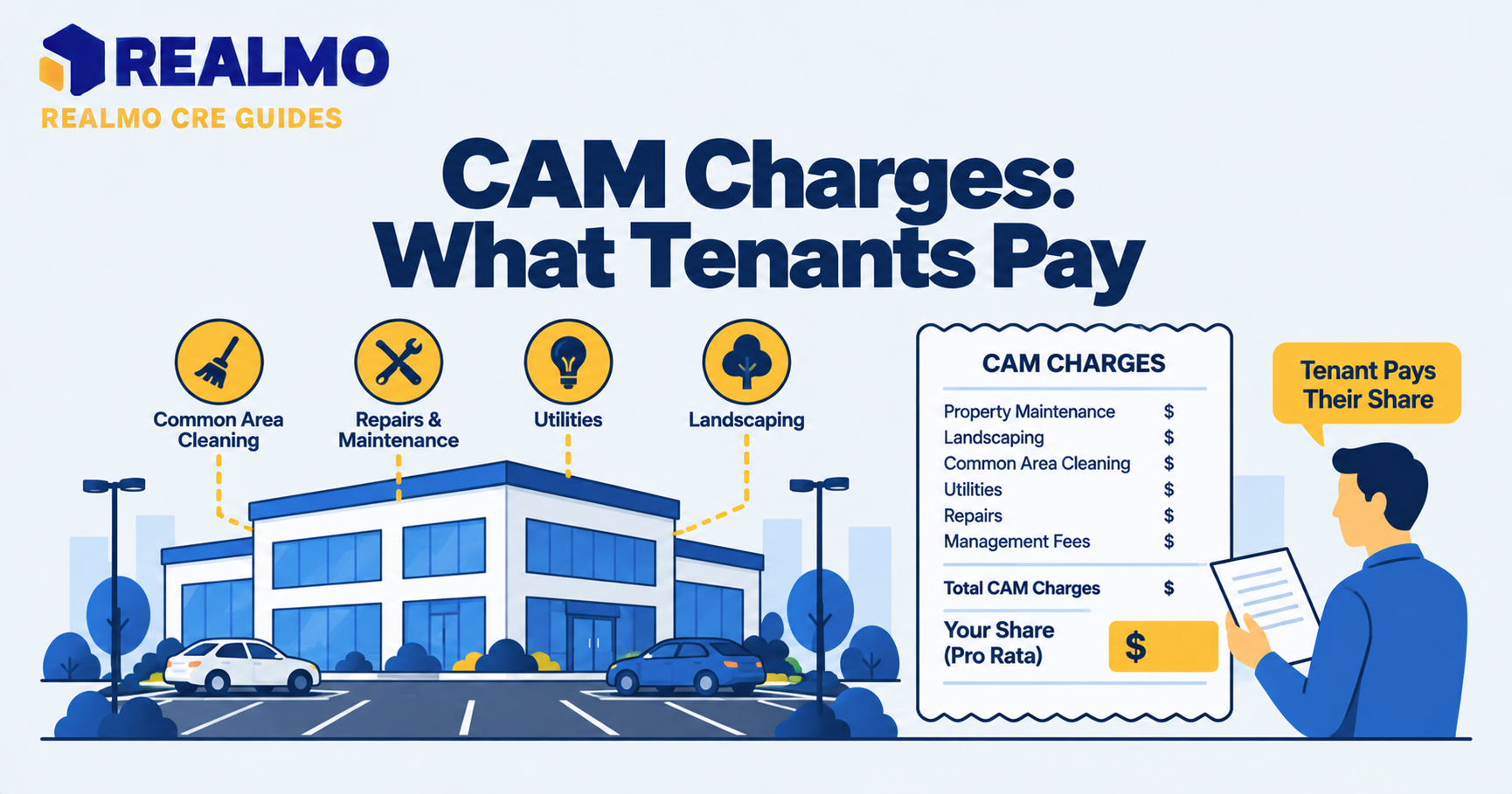
CAM Charges: What Tenants Actually Pay
Common area maintenance covers shared upkeep, and often more. What’s includable, how pro rata shares are set, caps, gross-ups and audit rights.
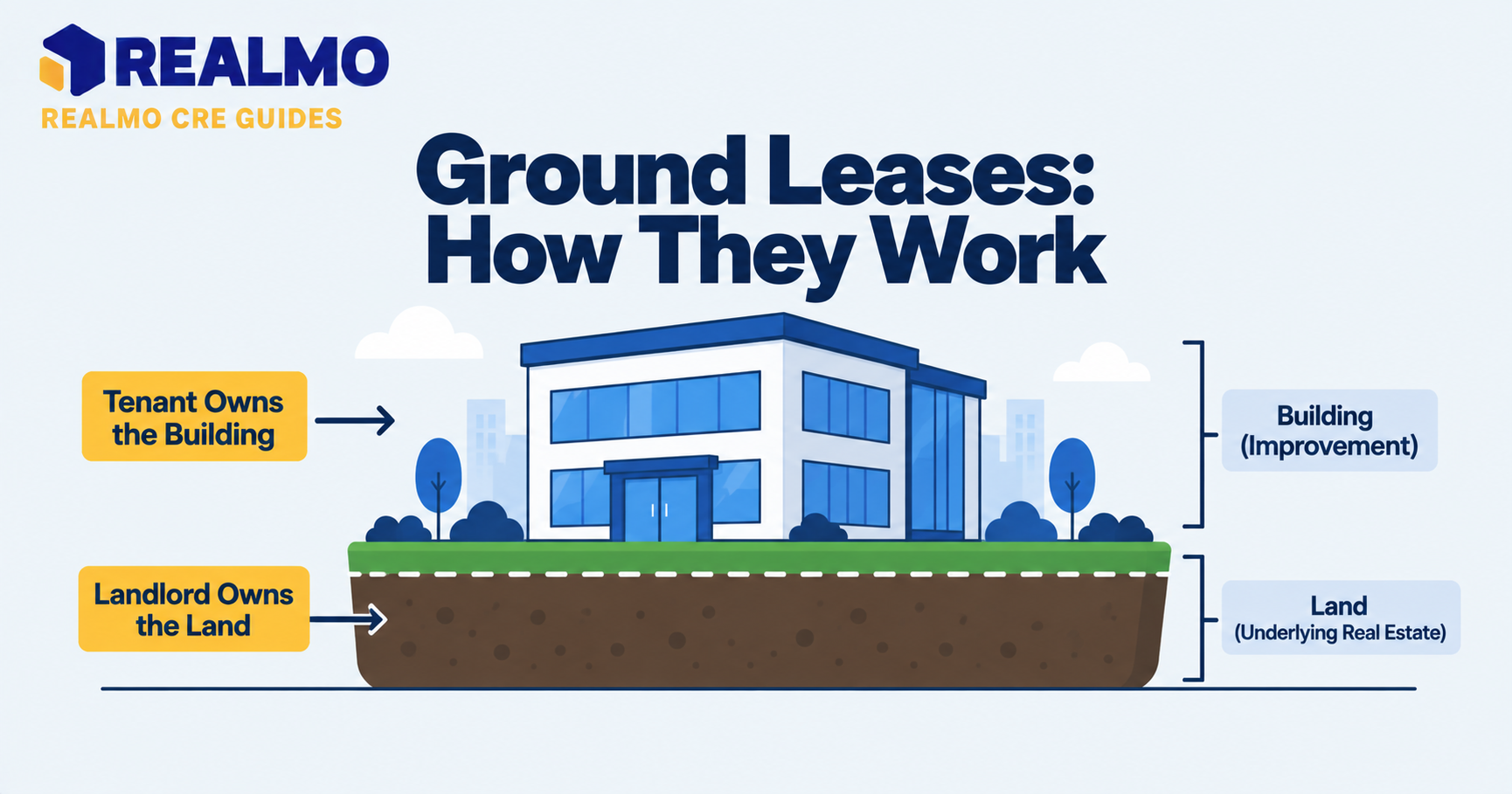
Ground Leases: How They Work
A ground lease separates the land from the building on it. Long terms, reversion at expiry, financing hurdles, and how each side gets valued.
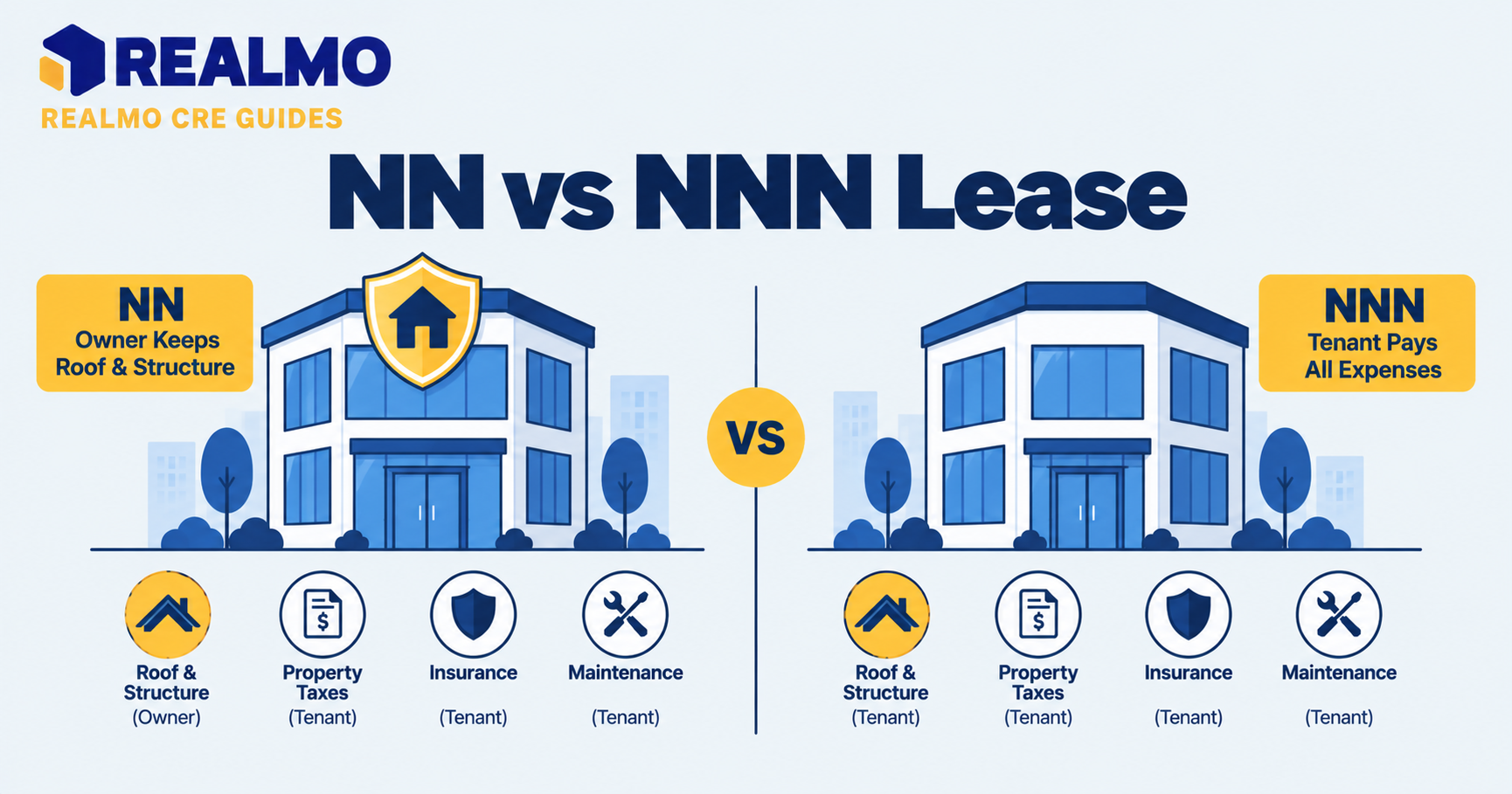
NN vs NNN Lease
Double net leaves roof and structure with the landlord, triple net usually doesn’t. What each net covers, and how the gap shows up in cap rates.
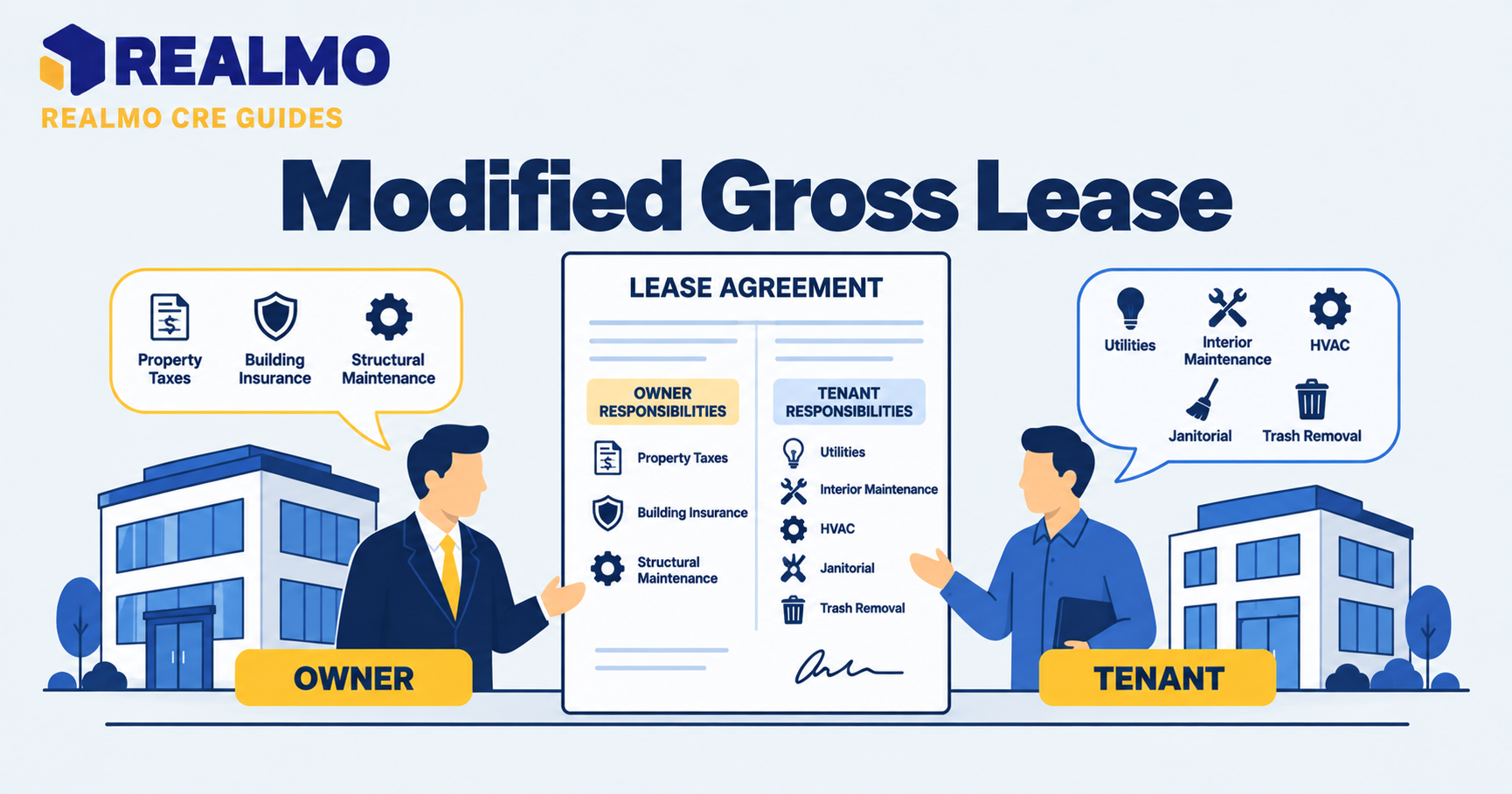
Modified Gross Lease Explained
Modified gross splits expenses between landlord and tenant, and no two are alike. Common splits, base year mechanics and what to pin down in writing.
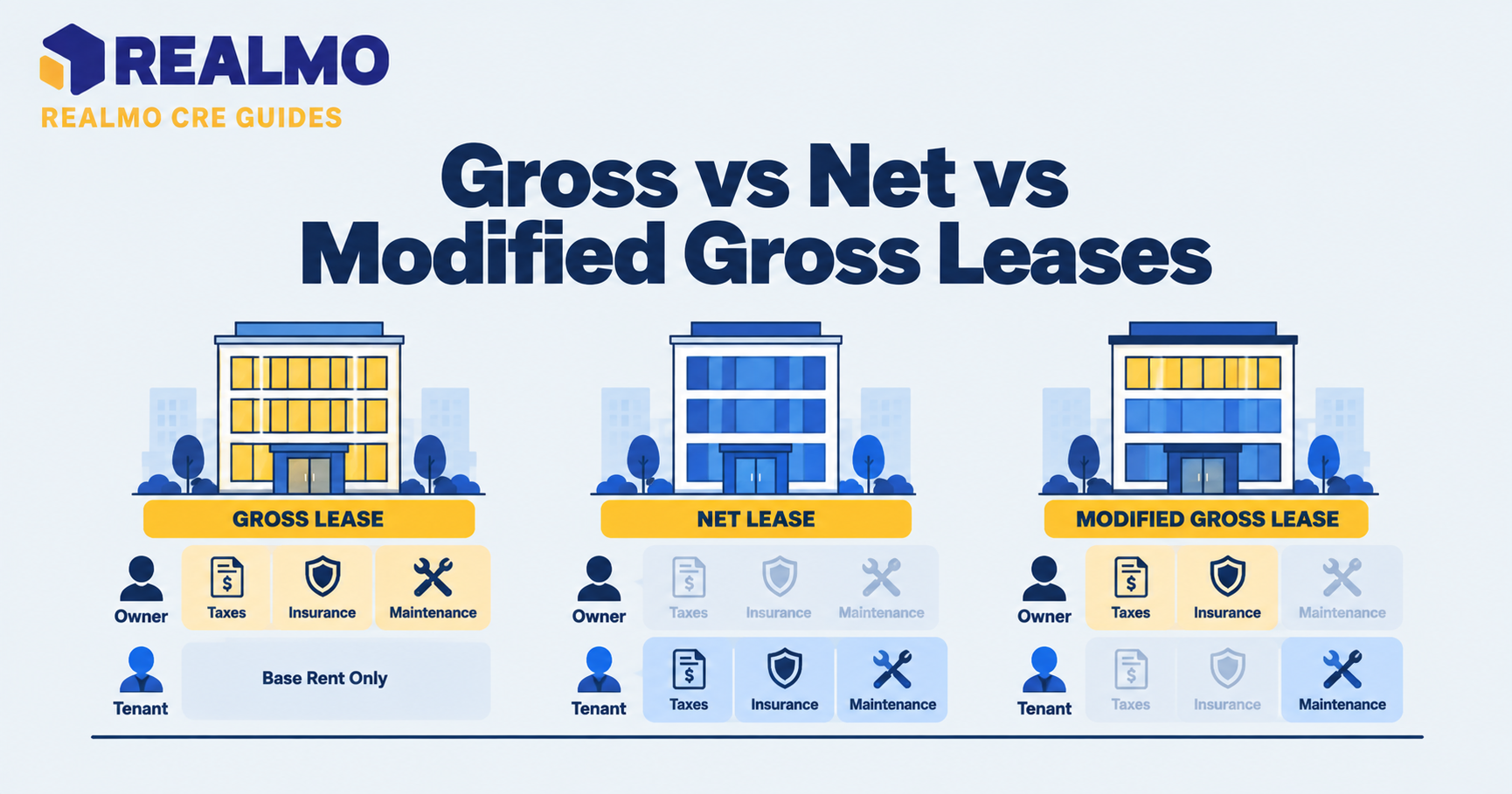
Lease Types Compared: Gross, Net and Modified Gross
Who pays taxes, insurance, utilities and maintenance under each lease type, and how structure changes effective rent for tenants and NOI for owners.
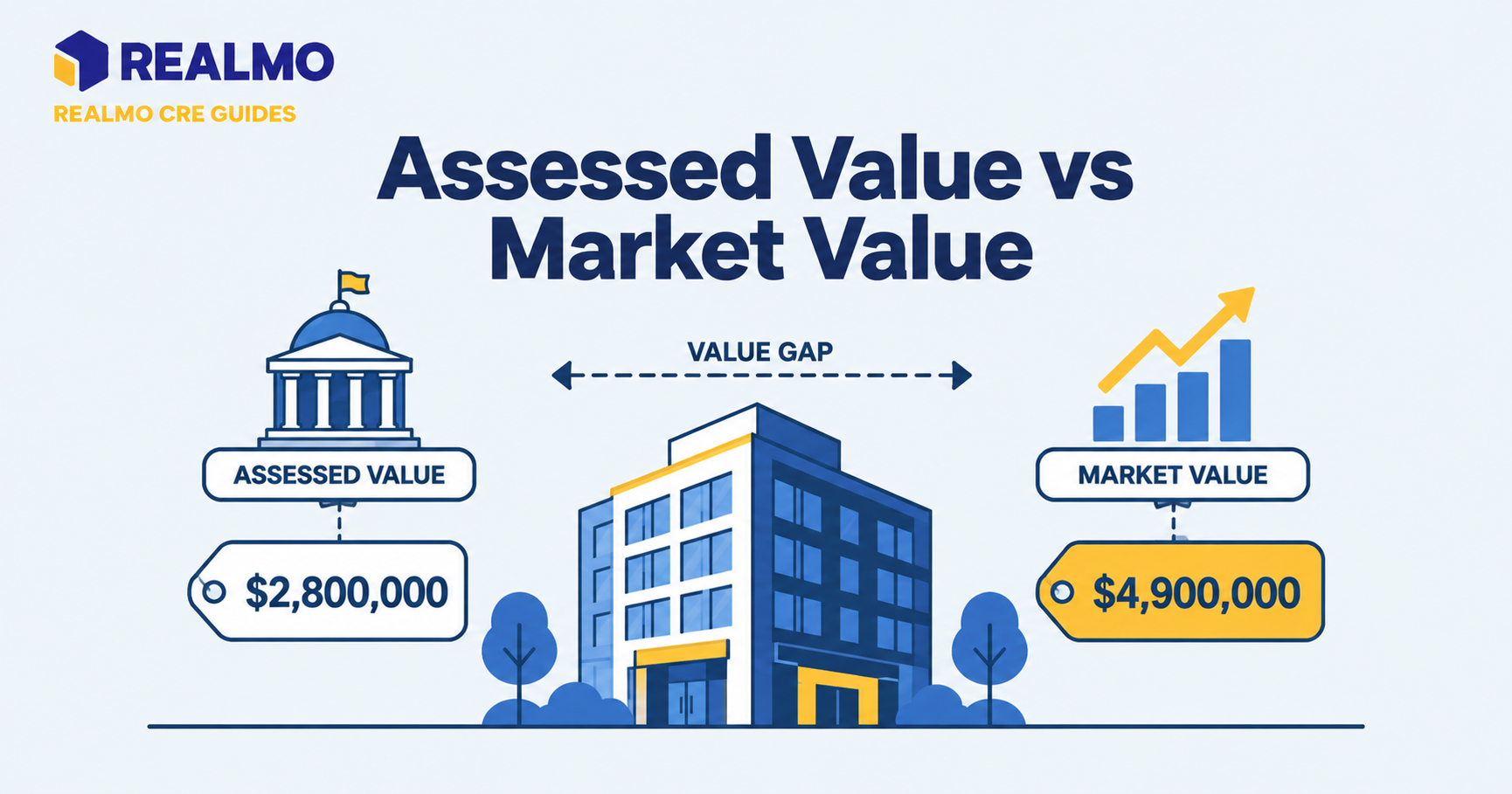
Assessed Value vs Market Value: What the Difference Means for CRE Owners
Assessors value for taxes, appraisers for the market. Why the two numbers diverge, how assessments are set, and when a tax appeal is worth filing.
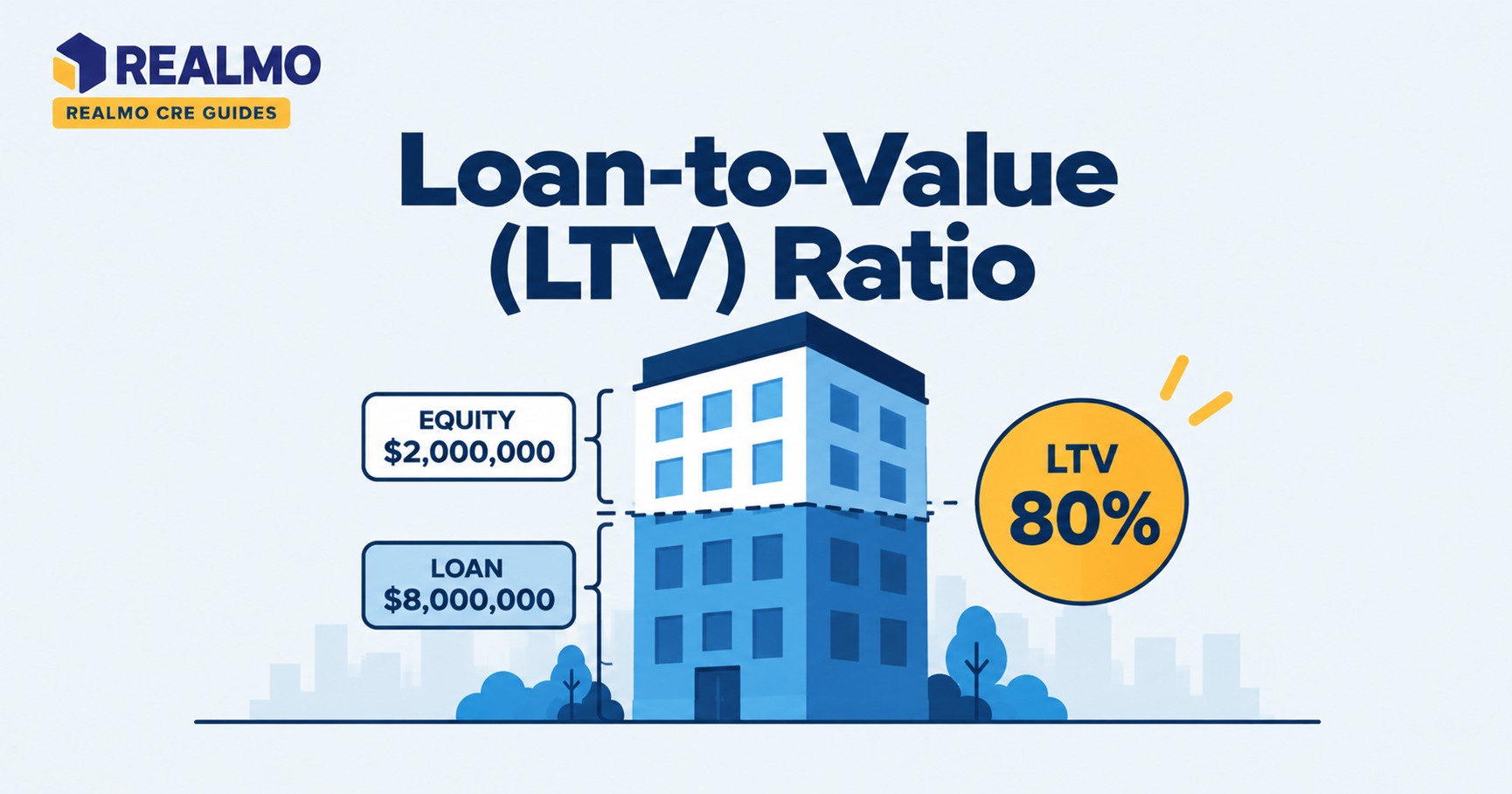
Loan-to-Value Ratio in Commercial Lending
LTV sets how much of the price a lender will fund. Typical LTV limits by property type, how appraised value changes it, and what happens at refinance.
How to Underwrite Commercial Real Estate, Property by Property
Build an underwriting model step by step: rent roll, T-12, vacancy, expenses, capex, debt and exit – plus the assumptions that break most deals.