Modified Gross Lease Explained
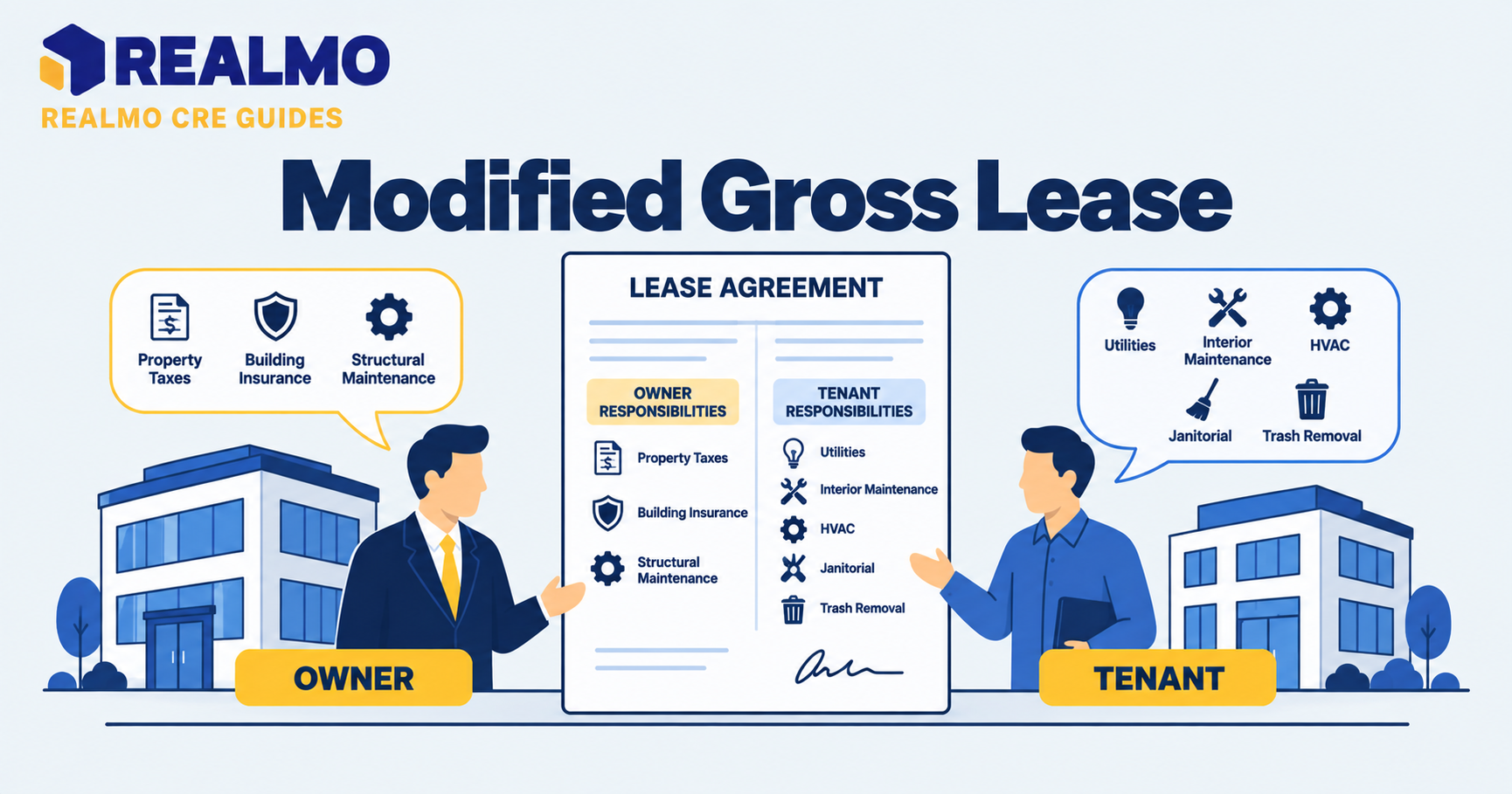
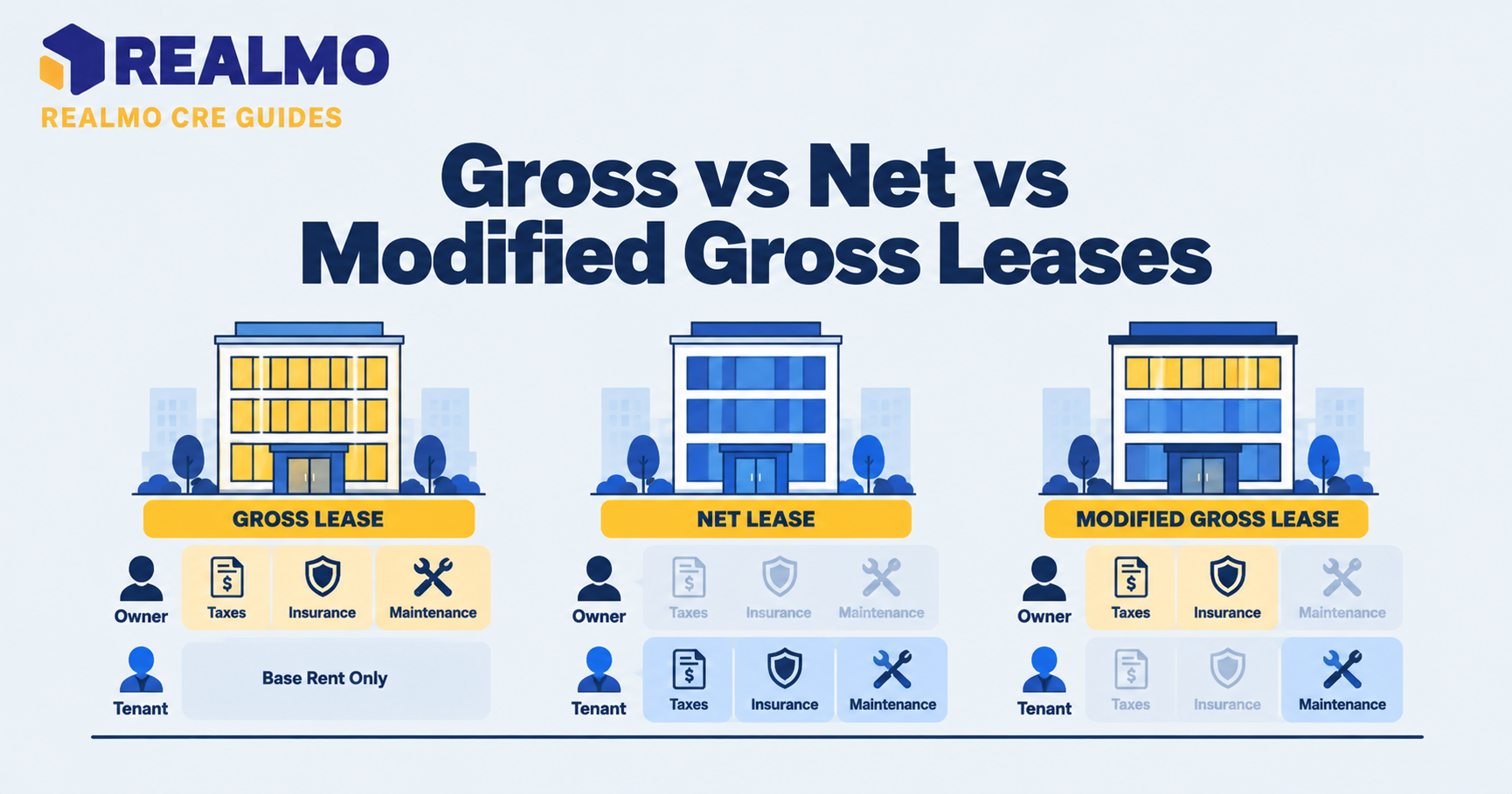
A modified gross lease splits building operating costs between landlord and tenant. The landlord pays a defined set of expenses. The tenant pays base rent plus named items, such as in-suite electricity and janitorial service. Which costs sit on which side is negotiated deal by deal, so the label alone tells you almost nothing.
What a modified gross quote hides from tenants
Two suites in the same suburban office park. One is quoted at $20.00 per square foot modified gross, the other at $24.00 full service (both figures illustrative). The first looks $4.00 cheaper. Then you reach Article 6 of the lease and find that the tenant pays its own electricity, its own janitorial, and its pro rata share of any increase in taxes and operating expenses above a base year.
Add those back and the gap narrows or flips. Tenants lose money here because they compare headline rates instead of total occupancy cost per square foot. The cost also moves every year, while a full service quote holds flatter. That matters most on a five-year term with a growing expense base.
How a modified gross lease splits operating costs
The landlord’s side covers the building. Real estate taxes, property insurance, structural repairs, and roof replacement sit there, because the owner controls those decisions and carries the asset long after your term ends. The tenant’s side covers what the tenant consumes.
There is no standard split. A modified gross lease in a Class B office building in Dallas can look nothing like one in a Boston flex property. Some versions leave only in-suite electricity with the tenant. Others push utilities, janitorial, and common area maintenance charges across, keeping only taxes and insurance with the landlord.
Read the expense article. The name on the cover page is marketing, and the allocation clause is the actual deal.
Modified gross vs. full service and triple net
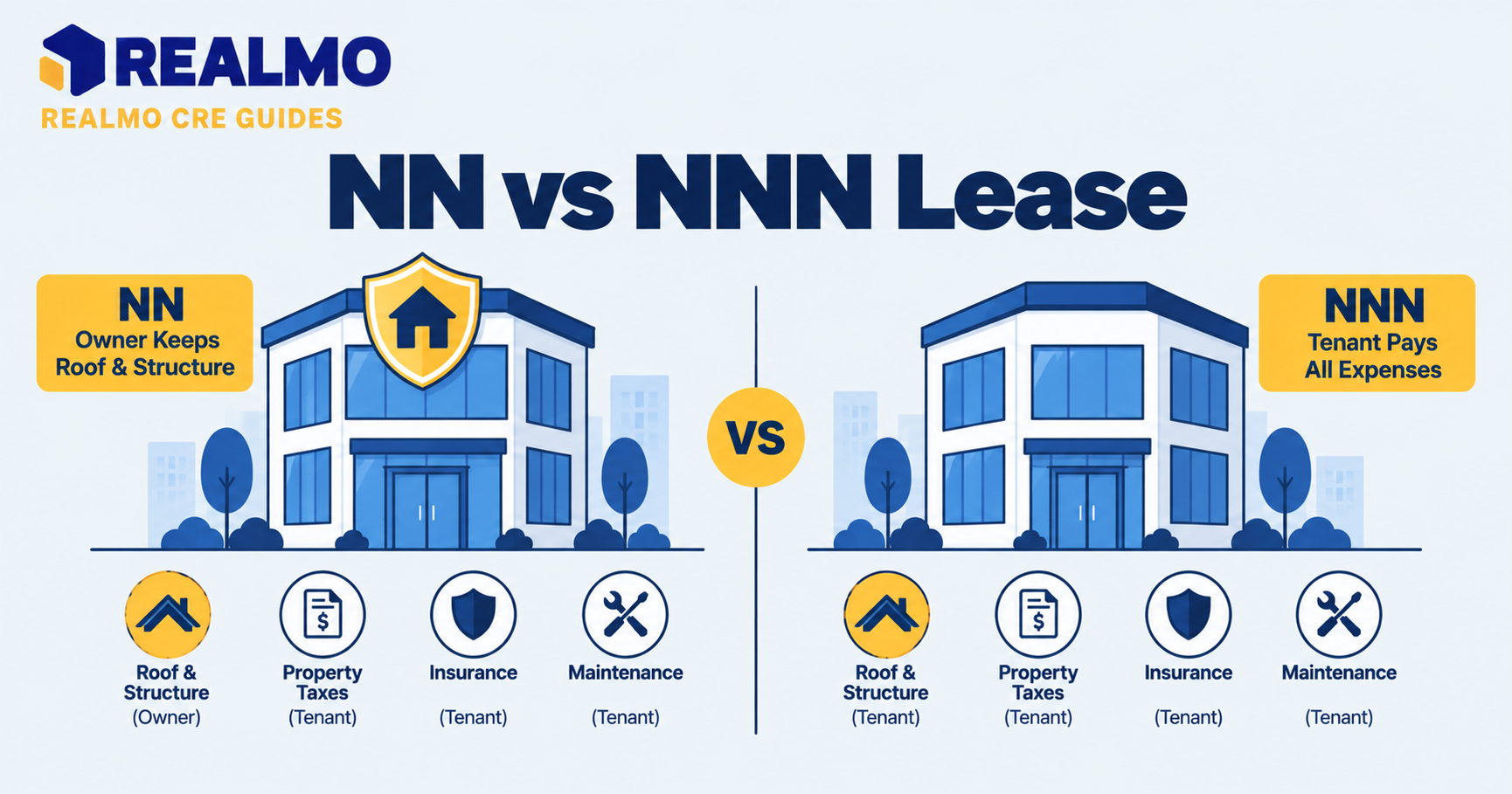
Under a full service gross lease, the landlord pays everything and bundles it into one rent number. Under a triple net lease, the tenant pays taxes, insurance, and maintenance on top of base rent. Modified gross sits between them, and the position on that spectrum is set by negotiation.
Industrial and flex space use modified gross structures heavily, since the tenant controls its own power, dock doors, and interior upkeep. Multi-tenant office uses it when submetering makes per-suite electricity easy to bill. The landlord keeps the items that are hard to allocate fairly.
Base year, expense stops, and pro rata share
Most modified gross office leases set a base year. Building operating expenses in that first calendar year become the baseline. You pay your pro rata share of any increase above it in later years, and nothing on the base amount itself.
An expense stop does the same job with a fixed dollar figure per square foot instead of an actual year. Both are ways of capping the landlord’s exposure. Neither caps yours.
Two details decide what this costs you. First, whether the base year is fully assessed and fully occupied, since a half-empty building produces an artificially low base. Second, whether the lease grosses up variable expenses to 95% occupancy. Without a gross-up clause, your share of the increase can spike as the building fills.
Clauses to read before signing a modified gross lease
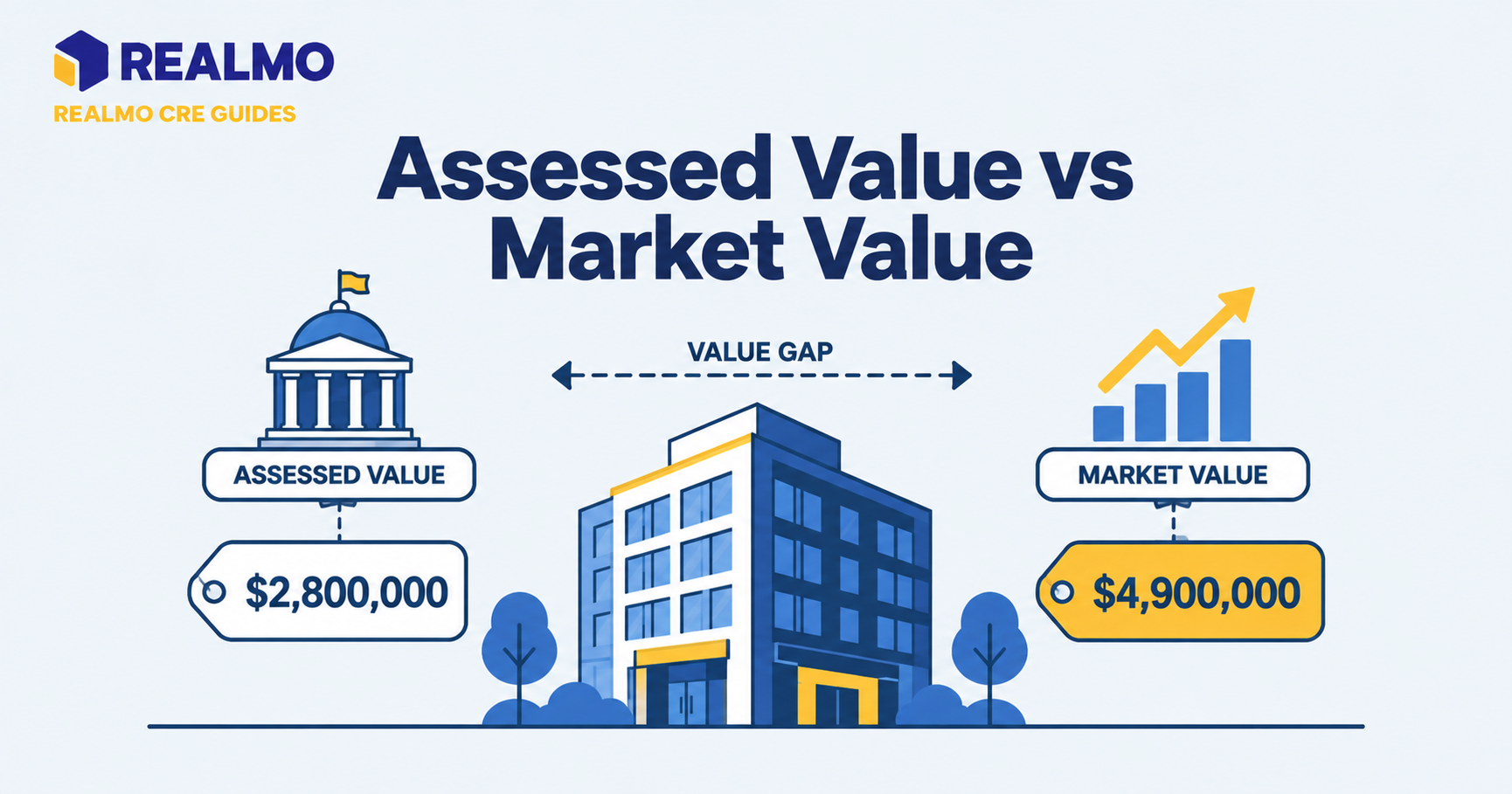
Ask for the last two years of actual operating expense statements before you sign. Compare them against the base year the landlord proposes. A base year set on a partial tax assessment after new construction will reset upward, and the increase lands on you.
Check whether capital expenditures can be passed through. Many leases allow amortized capital costs when the item reduces operating expense. Roof and HVAC replacements have a way of qualifying under that language.
Confirm your audit rights. You want the ability to review the expense reconciliation within a stated window, usually 90 to 180 days after the annual statement. Also confirm the cap on controllable expenses. Landscaping and management fees can be capped at a fixed annual percentage increase; taxes and insurance rarely can.
Worked example: three years under a base year stop
Illustrative figures. A 5,000 square foot suite in a 50,000 square foot building, so the pro rata share is 10%. Base rent starts at $20.00 per square foot with 3% annual escalations. Base year building operating expenses are $400,000. The tenant pays electricity and janitorial directly.
| Year 1 | Year 2 | Year 3 | |
|---|---|---|---|
| Base rent | $100,000 | $103,000 | $106,100 |
| Share of opex increase | $0 | $3,000 | $5,500 |
| Electricity | $6,000 | $6,200 | $6,400 |
| Janitorial | $4,500 | $4,600 | $4,700 |
| Total | $110,500 | $116,800 | $122,700 |
| Per square foot | $22.10 | $23.36 | $24.54 |
Year 2 building expenses reach $430,000. The $30,000 increase over base times 10% gives $3,000. Year 3 expenses reach $455,000, so the share becomes $5,500.
How to read it: the quoted rate was $20.00, and the year three cost is $24.54. That is 23% above the headline. The frequent error is budgeting off the quoted rate and treating pass-throughs as a rounding item.
Common mistakes tenants make with modified gross leases
- Accepting a base year in a newly built or half-leased property. Your share of the increase then reflects the building’s lease-up, not inflation.
- Skipping the gross-up clause. Variable expenses get billed as if the building were 95% occupied, which protects you as vacancy falls.
- No cap on controllable expenses, so management fees and landscaping climb without limit.
- Treating a modified gross renewal as a rate negotiation only. If the base year does not reset to the renewal year, you keep paying on years of accumulated increases.
- Comparing a modified gross quote to a full service quote without adding utilities, janitorial, and estimated pass-throughs to the first.
Lease terms carry tax and legal consequences. Have a licensed attorney and a tenant representation broker review the expense allocation and reconciliation clauses before signing.
Comparable lease structures for similar buildings in your submarket are visible in Realmo’s property data, which helps you check whether the split you were offered matches what the market is signing.
Related terms
- Triple net lease
- Full service gross lease
- Base year
- Operating expense pass-throughs
- Pro rata share
- Rent escalation clause
- Tenant improvement allowance
Modified gross lease questions tenants ask
Is a modified gross lease cheaper than triple net?
Not by structure. A modified gross lease shifts fewer expenses to the tenant, so the base rent is higher. Triple net rent is lower because you pay taxes, insurance, and maintenance separately. Compare total occupancy cost per square foot across the full term, including projected pass-throughs, rather than the quoted rate.
What is a base year in a modified gross lease?
The base year is the operating expense level the landlord absorbs. Expenses in that first year set the baseline, and you pay your pro rata share of increases above it in later years. A base year set during lease-up or before full tax assessment will produce larger increases later.
Who pays utilities in a modified gross lease?
It depends on the specific lease. In multi-tenant office with submetered suites, the tenant pays in-suite electricity and the landlord pays common area power. In industrial and flex space, tenants usually carry all utilities for their unit. Confirm which meters serve your premises before you sign.
Can I negotiate the expense split?
Yes. The allocation clause, the base year, the gross-up provision, and caps on controllable expenses are all negotiable, especially on terms above five years or in buildings with vacancy. Landlords resist moving taxes and insurance. Caps and audit rights move more easily.