Special Purpose Properties and Their Risks

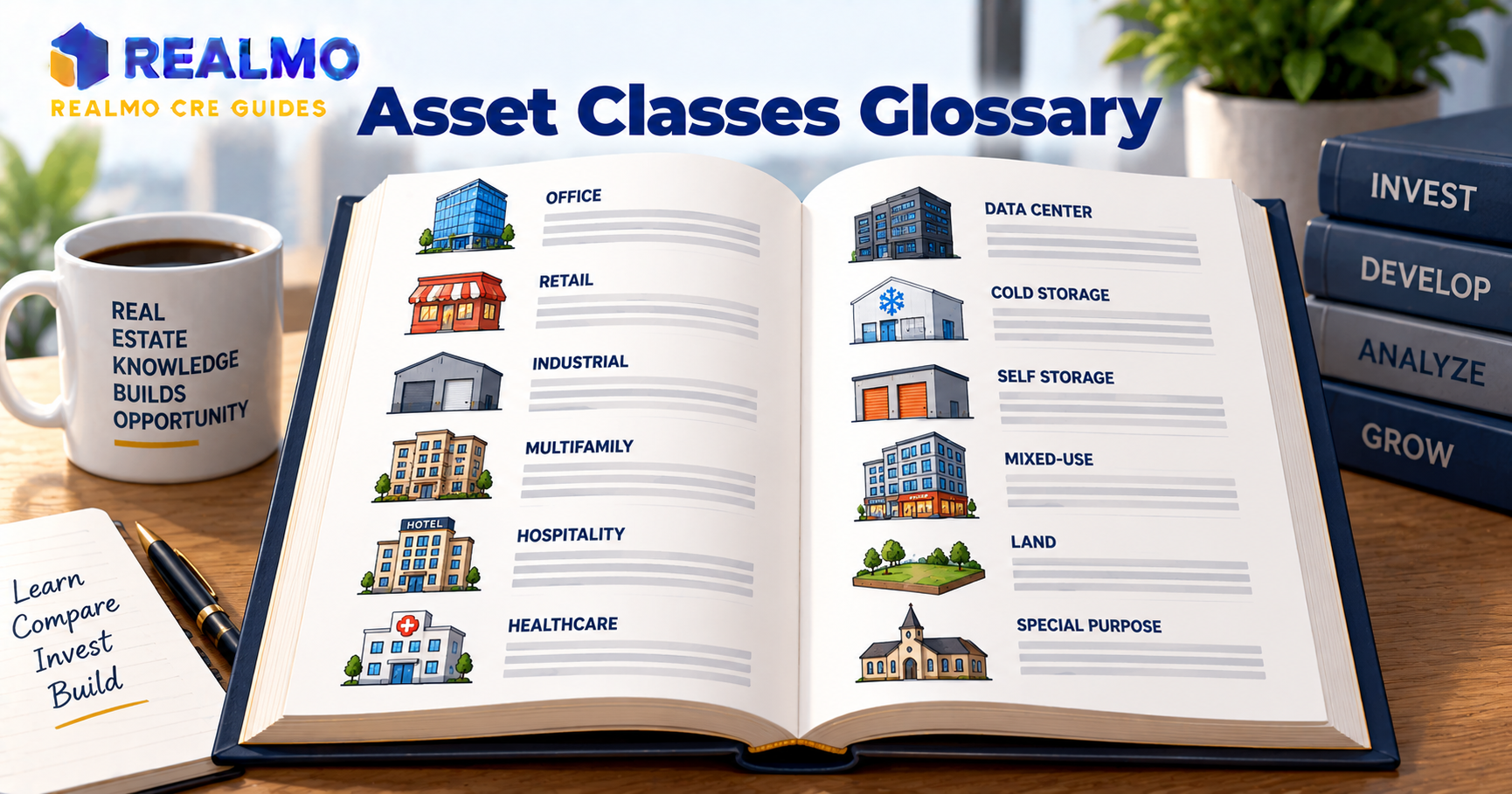
A special purpose property serves one use. Examples include a bowling alley, car wash, theater, church, hospital, and self-storage facility. When that use ends, the improvements lose most of their value, and price tracks the operating business more closely than the surrounding real estate market.
Why single-use buildings punish generic underwriting
An investor screens two listings at the same price per square foot. One is a multi-tenant flex building with four suites. The other is a former ice rink with a single operator on a long-term lease and a higher going-in yield. The rink looks like a better trade until the tenant misses rent. With the flex building, one suite goes dark, and the owner re-leases it to any small business. The rink is different. Its refrigeration slab, 30-foot clear height, and dasher boards serve exactly one industry. The pool of replacement tenants in the trade area may be zero.
That asymmetry is the whole story. Special purpose assets commonly price at a spread above conventional product. The market is charging for re-tenanting risk, not rewarding the buyer for being clever. Underwriting them with standard cap rate math and no downside case is how investors end up owning an empty building with a tax bill.
What counts as a special purpose property
Appraisers and lenders usually treat a property as special purpose when its improvements serve one use only. Conversion to another use takes substantial capital. Common examples include gas stations, car washes, funeral homes, theaters, and bowling centers. The category also covers marinas, houses of worship, schools, hospitals, surgical centers, data centers, cold storage, and single-tenant manufacturing plants with process-specific infrastructure.
The test is not the tenant’s industry. It is the physical building. A single-tenant office leased to a hospital system is conventional office space with a healthcare tenant. A surgical center with medical gas lines, backup generators, shielded imaging rooms, and 15-foot corridors is a special purpose property. The next occupant either needs the same features or has to demolish them.
Degree matters more than category. Self-storage sits at the mild end: the structure is simple, and conversion to light industrial is sometimes feasible. A refinery or a stadium sits at the extreme end, where the improvements have no alternative use and the land carries a demolition liability.
Why value depends on the business, not the market
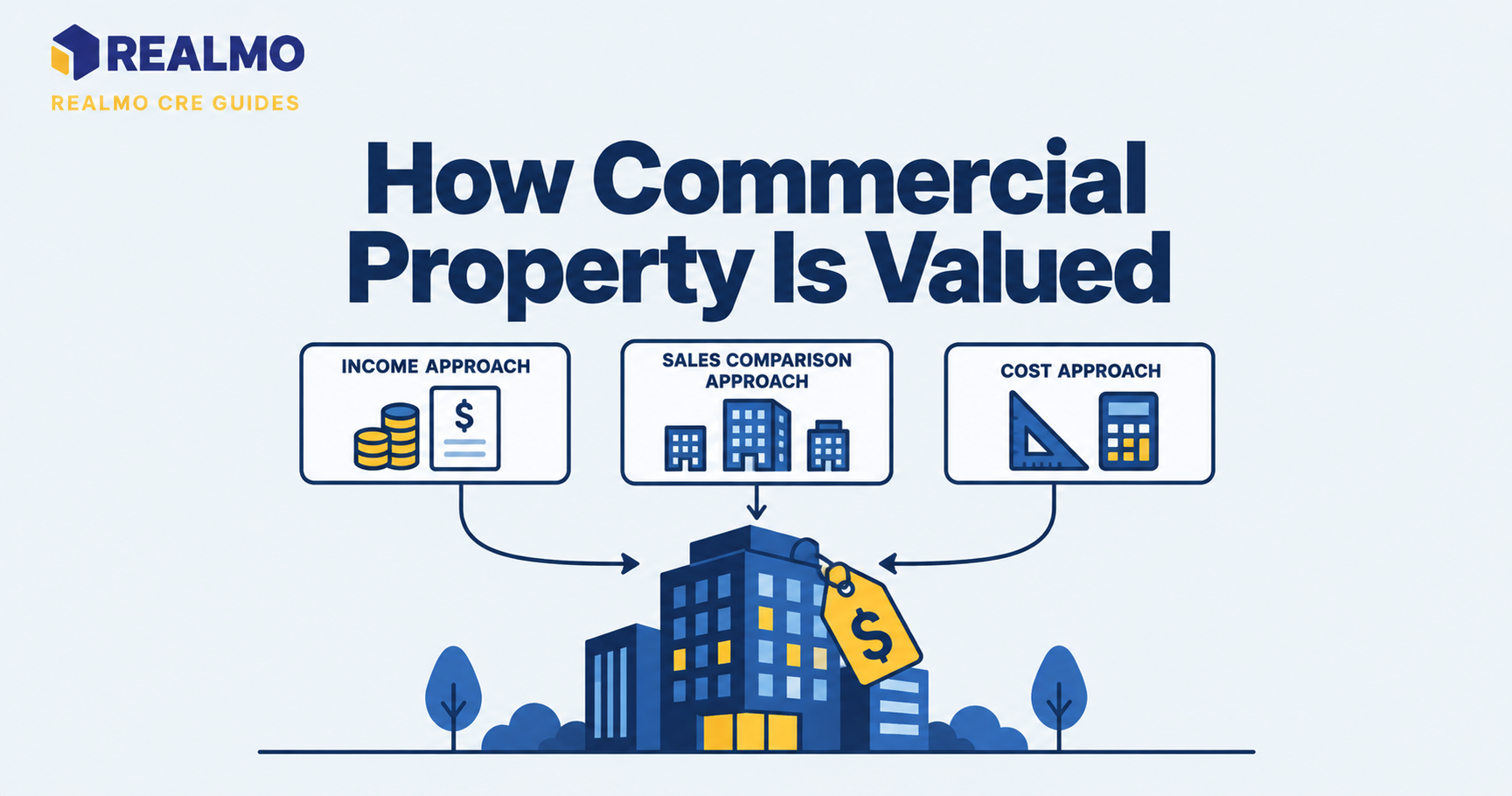
Conventional real estate is valued from market rent and comparable sales. Special purpose properties frequently lack both. There may be no leases of comparable buildings in the submarket, and no arm’s-length sales in the past several years either. That gap forces appraisers toward the cost approach: replacement cost less depreciation, plus land. Some instead use a going-concern analysis that values real property, business enterprise value, and personal property together.
That split matters to a buyer. When a car wash trades, part of what changes hands is equipment. Another part is the customer base the operator built. A lender financing real property will not advance against business enterprise value. An appraisal that separates the three components can come in far below the negotiated price. Reading which portion of value sits in the dirt and the shell is one important part of the underwriting task. Knowing which portion sits in the operator is the core diligence question on these deals.
The second consequence is functional obsolescence. Purpose-built features depreciate faster in market terms than in accounting terms. A church’s sanctuary seating and a theater’s sloped floors add construction cost while subtracting from what any non-church or non-theater buyer will pay.
How lenders underwrite special purpose collateral
Lenders price recovery, not enthusiasm. A foreclosed single-use building is slow and expensive to resell. Because of that, banks usually apply lower loan-to-value limits and shorter amortization periods than they would on multi-tenant product in the same market. They also run stricter debt service coverage tests. Recourse and personal guarantees are more common, and some lenders decline entire categories outright.
Owner-users have a distinct path. SBA 504 and 7(a) programs are designed for owner-occupied commercial real estate. They regularly finance special purpose assets that conventional lenders avoid. SBA occupancy rules require at least 51% owner occupancy for an existing building (source: U.S. Small Business Administration program requirements). SBA also treats certain categories as special purpose properties for collateral and appraisal purposes, which can change the equity contribution required.
Loan structure follows the exit logic. Where a lender doubts residual value, expect a shorter term and a hard amortization schedule that pays principal down faster than a comparable CMBS loan. Expect tighter covenants around the operating tenant’s financials too.
Worked example: pricing a vacant bowling center
All figures below are illustrative and rounded to show the mechanics, not to reflect any current market.
An investor considers a vacant 20,000-square-foot bowling center offered at $45 per square foot, or $900,000. The plan is to strip the lanes and convert to multi-tenant flex space. The general contractor prices demolition, floor leveling, dock-high loading, HVAC, and demising walls at $60 per square foot, or $1,200,000. All-in hard basis is $2,100,000, before an estimated $300,000 of carry, leasing commissions, and tenant improvements across an assumed 15-month lease-up. Total basis: $2,400,000.
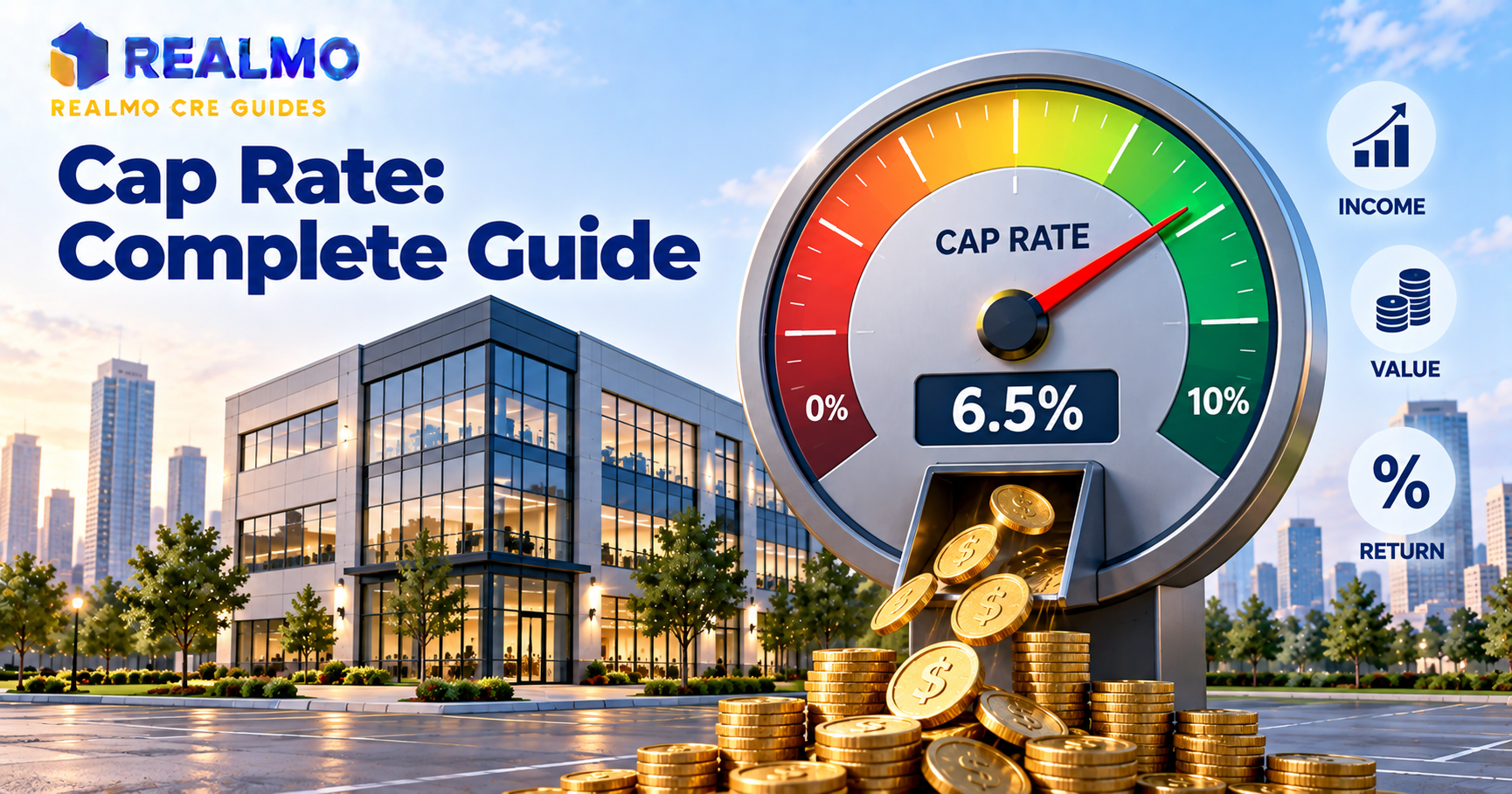
Flex rent here is illustrative. Stabilized income at $12 per square foot triple net produces $240,000 of gross rent. Subtract 5% for vacancy and credit loss, plus $20,000 of non-reimbursable ownership costs, and net operating income comes to $208,000. At an illustrative 8% exit cap rate, stabilized value is $2,600,000.
The math is tight. The spread is roughly $200,000 on a $2.4 million basis, thin for 15 months of construction and lease-up risk. The deal is a construction bet, not a real estate bet. A 20% overrun on demolition and conversion is ordinary on adaptive reuse of a purpose-built shell, and it erases the entire margin. The most common error here is applying the flex-market cap rate to today’s building while paying a price anchored to its bowling-alley replacement cost.
Common mistakes investors make with single-use assets
- Treating the going-in yield as compensation for effort rather than for risk. The higher yield is the market pricing a narrow buyer pool at exit. Spending it as if it were free cash flow leaves nothing to absorb a dark period.
- Skipping environmental diligence on high-risk categories. Gas stations, car washes, dry cleaners, and light manufacturing carry contamination histories that surface only in a Phase II assessment. A finding after closing can exceed the purchase price and follow the owner under CERCLA liability rules.
- Underwriting a conversion without a contractor’s number. Removal of slabs, process piping, refrigeration systems, and structural elements alone routinely costs more than new construction on raw land. The estimate belongs in diligence, not after closing.
- Ignoring operator financials on a long lease. A 20-year lease from a thinly capitalized operator is still a 20-year lease until the third bad year finally arrives. Rent coverage, the tenant’s store-level EBITDAR against rent, is the real credit metric on these assets.
- Assuming a zoning-permitted alternative use is a feasible one. Zoning tells you what is legal. Parking ratios, column spacing, ceiling height, and floor loads tell you whether the building is actually buildable for that use.
Where public data thins out, ownership records and current-versus-suggested-use signals for the parcel matter. That parcel-level analysis is available on Realmo. It helps establish who has owned the building, how long, and what the site would support if the current use ends.
Related terms: highest and best use, adaptive reuse, single-tenant net lease, dark store value, business enterprise value, Phase I environmental site assessment.
FAQ
Is a special purpose property a bad investment?
Not inherently. These assets can produce strong yields when the operator is creditworthy and the basis sits near or below alternative-use value. The risk is concentration: one tenant, one use, and few replacement buyers. The investment fails when a buyer pays for the current use and has no priced plan for the building’s second life.
How do appraisers value a special purpose property with no comparable sales?
They usually lean on the cost approach, which is replacement cost new, less physical, functional, and external depreciation, plus land value. They may supplement it with a going-concern analysis that separates real property, personal property, and business value. Income capitalization works too. It applies when the property has a market-rate lease that reflects arm’s-length terms.
Can special purpose properties be depreciated faster than other commercial buildings?
Nonresidential real property is depreciated over 39 years under IRS rules (see IRS Publication 946). Special purpose buildings usually contain a larger share of equipment and site improvements that a cost segregation study may reclassify into shorter recovery periods. Treatment is fact-specific. Consult a licensed CPA or tax advisor before relying on it.
What raises the resale risk on a single-use building?
Three things drive it. They are depth of specialization, submarket demand for that use, and demolition cost. A building with process infrastructure, an unusual footprint, or contamination history has a smaller buyer pool and a longer marketing period. A simple shell with parking and clear height sells faster.