North Carolina Drive Through Restaurants for Sale
Notify Me
List
Map
Charlotte, NC
Fayetteville, NC
Wilmington, NC
Durham, NC
Asheville, NC
Greensboro, NC
Jacksonville, NC
Raleigh, NC
- Charlotte, NC
- Fayetteville, NC
- Wilmington, NC
- Durham, NC
- Asheville, NC
- Greensboro, NC
- Jacksonville, NC
- Raleigh, NC
Found 50 drive through restaurants for sale in North Carolina, averaging $606/sq ft. Use valuation data to compare deals faster.
50 properties
Sort:
Realmo
Analytics
Monitor Off-market properties and contact owners who are ready to sell.
Many signals applied to make quality leads for you.
Get Leads
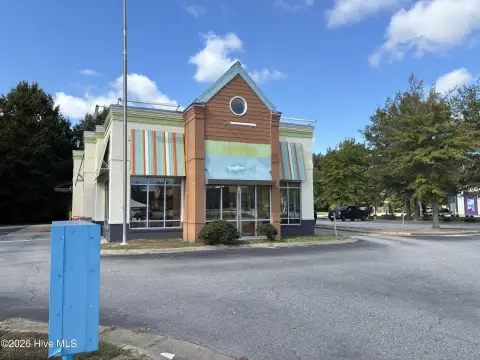
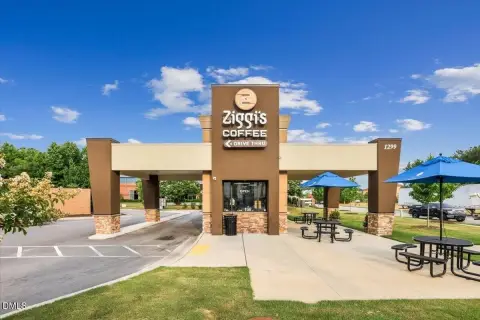
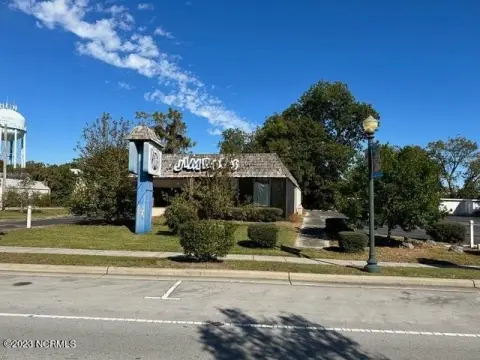


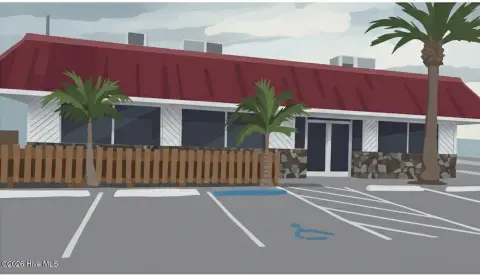
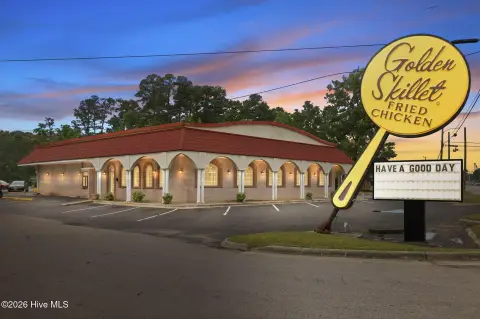
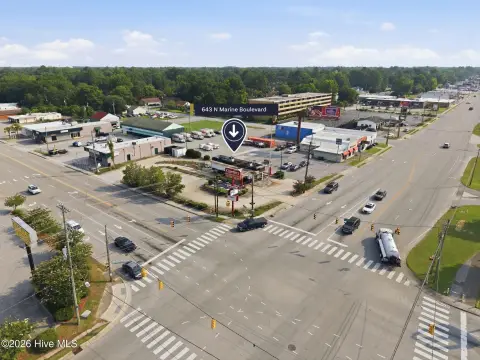

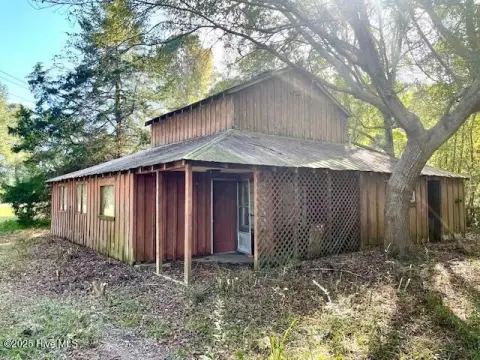


North Carolina Drive Through Restaurants Market Trends and Statistics
Explore 72 drive through restaurants for sale in North Carolina, showcased through 50 active listings on our real estate platform. These investment opportunities span a total of 79,949 square feet of properties for sale, with an estimated market value of $43,190,946.
Sale prices for drive-thru businesses in North Carolina start at $149,900, averaging $1,542,533, and reaching up to $5,120,000 — offering options for a variety of budgets and business needs. Daily updated analytics ensure you stay ahead with the latest data and market trends.
How to Buy a Drive-Through Restaurant in North Carolina
How to Buy a Drive-Through Restaurant in North Carolina
- Define your acquisition goals. Choose what you're buying: QSR cash flow, a franchise conversion, or a second-generation drive-thru pad to re-tenant. Decide whether you want a job or a passive investment.
- Find and evaluate the building. Work with commercial brokers in North Carolina who know drive-thru economics. Check traffic counts, queue stacking, ingress/egress, visibility, and drive-thru zoning using local market insights.
- Understand building value. Value the real estate separately from the business. Price the business on Seller's Discretionary Earnings and a market multiple, prioritizing margins and throughput over revenue.
- Complete due diligence. Review three years of P&Ls, tax returns, and bank records. Verify add-backs, seasonality, lease assignment, and transfer of health permits and drive-thru approvals.
- Make and negotiate the offer. Allocate the price across real estate, business, equipment, and goodwill. Structure seller financing and non-compete terms. Benchmark against recently sold North Carolina commercial comps.
- Close and take ownership. Finalize financing, transfer licenses and the lease, confirm suppliers and POS systems, and hold reserves for the post-transition sales dip.
List
Map