Bartow County, GA Live-work Space for Lease
Notify Me
List
Map
Atlanta, GA
Savannah, GA
Augusta, GA
Alpharetta, GA
Marietta, GA
Macon, GA
Columbus, GA
Athens, GA
- Atlanta, GA
- Savannah, GA
- Augusta, GA
- Alpharetta, GA
- Marietta, GA
- Macon, GA
- Columbus, GA
- Athens, GA
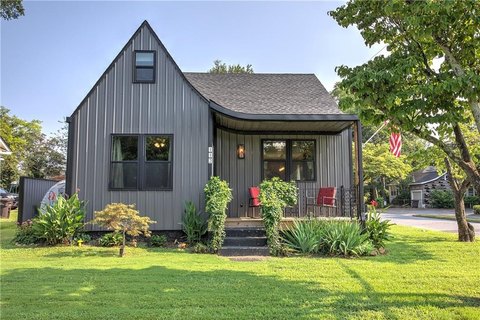
Similar Spaces for Sale in Bartow County, GA


Bartow County, GA Live-work space Market Trends and Statistics
Explore Live-work space leasing options in Bartow County, GA with 1 listings featured on our commercial real estate exchange.
Estimated lease rates for Live-work space in Bartow County, GA average $2,500/Mo.
How to rent a live-work space in Bartow County, GA
- Verify the legal designation, not the marketing. “Loft” on a listing means nothing. A true live/work unit, work/live space, or artist loft must show that status on the building's Certificate of Occupancy, so pull the records before touring.
- Match the zoning ratio to your plans. Many codes cap the residential share (some require 50%+ of floor area for work) and require the resident to actually run the business. Confirm that your split of studio-residence use fits the local formula.
- Check what business is actually allowed. Live-work zoning typically bans uses with heavy customer traffic, noise, or loading. Quiet studios, design practices, and remote offices pass, but a retail counter or workshop with clients may not.
- Confirm any artist-designation requirements. Some cities restrict these units to working artists and demand proof (a portfolio, arts income, or Artist-in-Residence certification) with real fines for non-qualifying occupants.
- Inspect for dual-code compliance. Converted industrial buildings must meet both residential standards (kitchen, bath, light, ventilation) and commercial fire/egress rules. Budget for sprinklers or upgrades if the space falls short, and pick a neighborhood that fits both halves of your life with Location Intelligence.
- Get both uses written into the lease. The lease must explicitly permit living and working — landlord's verbal consent won't override zoning. Compare the combined cost against renting home and office separately with the Lease Calculator.
List
Map