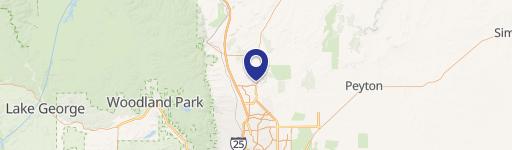
Spectrum Loop Colorado Springs, CO 80921
a. Agriculture. b. Mining. 6. Street/Utility Rights-Of-Way: A right-of-way is a strip of land set aside for use as a street, crosswalk, railroad, electric transmission/distribution line, oil or gas pipeline, water main, sanitary or storm sewer main, telephone line, or other similar public uses. In some cases, the right to use land for one of these purposes i…
Cap rate
Implied · in-place · derived from last sale + estimated NOIValue
AI, CAP & Alternative Use estimations · Realmo proprietary blendProperty tax & assessments
Tax year 2023Comparables
6 recent transactions · within 1.5 miComparable in this City
Similar Nearby for Sale



Similar Nearby for Lease


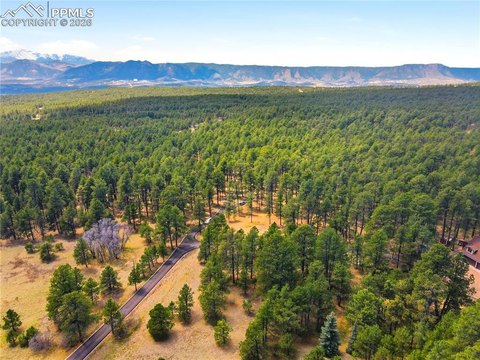
Property description
Physical attributes from public recordsZoning & alternative use
A · Colorado Springs, COa. Agriculture. b. Mining. 6. Street/Utility Rights-Of-Way: A right-of-way is a strip of land set aside for use as a street, crosswalk, railroad, electric transmission/distribution line, oil or gas pipeline, water main, sanitary or storm sewer main, telephone line, or other similar public uses. In some cases, the right to use land for one of these purposes is obtained through an easement. An easement is created when the landowner turns over some property rights, without relinquishing ownership. A facility is a piece of land and the improvements that provide for a specific utility, transportation or stormwater management use. For planning purposes, the most significant rights-of-way are those set aside for use as major streets (arterials and collectors), drainage areas and utility lines. a. Arterial street right-of-way. b. Collector street right-of-way. c. Other public street right-of-way. d. Private street right-of-way. e. Utility easement/right-of-way or facility. f. Drainage detention facilities, drainageways, easements and rights-of-way. 7. Public/Institutional Use: Public and institutional uses are fairly narrowly defined activities that do not fit into any other classification. The majority of these uses are focused on community services, but this is not a defining characteristic. Common features include erratic traffic generation and operating hours. a. University/conference center. b. Primary/secondary school. c. Hospital/long term care. d. Public safety. e. Minor public assembly. f. Major public assembly. g. Airport/military installation. h. Utility facilities. 8. Activity Center: Activity center is a general term for a mixed use center that integrates a range of complementary and mutually supporting uses and activities. Typically, an activity center includes a predominant type of use, such as commercial or employment related, that is then supported by a mix of one or more other uses, such as residential, civic, or institutional. The predominant use generally determines the type of center. Activity centers may vary in size, intensity, scale, and their mix of supportive uses, depending on their purpose, location, and context. In each case, activity centers are intended to be mixed use and pedestrian oriented and to establish good connections and transitions to surrounding areas. Residences are a component of all activity centers. The activity center should support a range of housing affordability, types and densities within the individual neighborhoods. (Ord. 84-221; Ord. 91-30; Ord. 97-109; Ord. 01-42; Ord. 02-51; Ord. 08-44; Ord. 09- 80; Ord.
No recorded transactions found for this property.
Costs & Benchmarks
Operating expenses, capex projections, utility benchmarks, and submarket comparables — all in one view.
Risks
Flood, climate, environmental, title, and tenant-concentration risk — surfaced with mitigations and source citations.