Cincinnati, OH Grocery And Convenience Stores for Lease
Notify Me
Covington, KY
Ludlow, KY
Newport, KY
Bellevue, KY
Norwood, OH
Dayton, KY
Crescent Springs, KY
Saint Bernard, OH
- Covington, KY
- Ludlow, KY
- Newport, KY
- Bellevue, KY
- Norwood, OH
- Dayton, KY
- Crescent Springs, KY
- Saint Bernard, OH

Opportunities in Nearby Cities

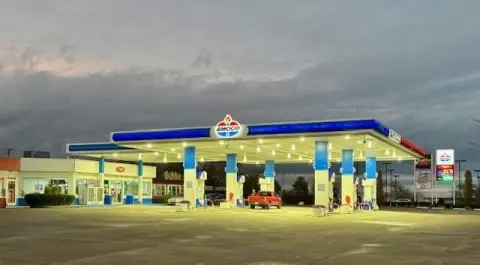


Similar Spaces for Sale in Cincinnati, OH

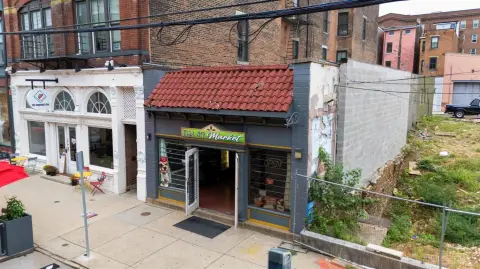

How to lease a grocery or convenience store in Cincinnati, OH
- Anchor to your neighborhood catchment. A supermarket, corner store, bodega, deli, or mini-mart lives off nearby residents. Use Location Intelligence to find Cincinnati, OH blocks that are underserved for everyday essentials within walking or short-drive distance.
- Hunt for second-generation grocery space. Spaces with walk-in coolers, freezers, hood vents, and basement storage left by a previous market or deli can save tens of thousands in build-out costs.
- Verify power, refrigeration, and delivery access. Confirm that the electrical capacity supports banks of refrigeration running 24/7. Check for a loading dock, rear entrance, or hatch for daily supplier deliveries.
- Line up licenses for regulated products. Tobacco, beer and wine, lottery, and SNAP/EBT acceptance each need separate permits — these are high-margin categories that require applications before opening day.
- Choose the right lease structure. C-store leases range from simple gross to triple net to ground leases. Compare each option's true monthly cost with the Lease Calculator.
- Confirm the Certificate of Occupancy and sign. Make sure the retail use matches the CO, budget roughly $50K for fit-out, equipment, and opening inventory, and have an attorney review before signing.