Lessor vs Lessee in Commercial Real Estate: Let’s Untangle the Landlord-Tenant Relationship
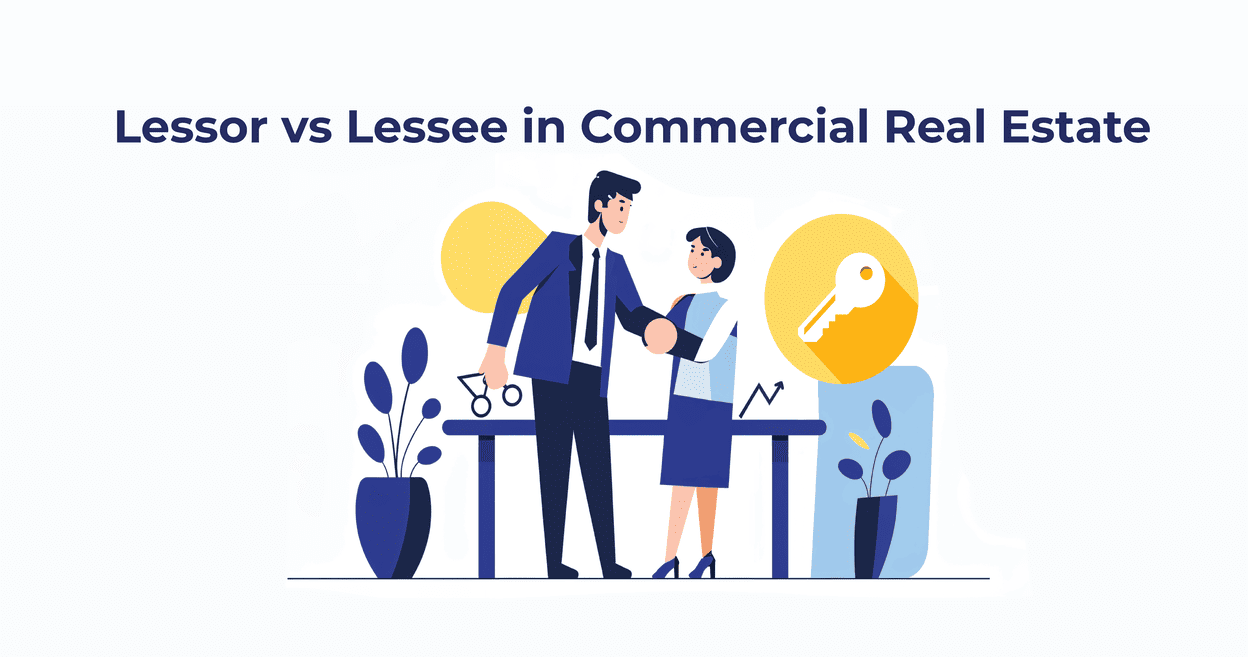
Ever been at a networking event, feeling good about your latest commercial real estate deal, and then someone throws out the words “lessor” and “lessee?” Suddenly, you’re drawing a blank, right? Don’t sweat it – it happens all the time! The terms “lessor” and “lessee” can be super confusing in the commercial property world, and mixing them up can lead to misunderstandings and even – gulp – costly mistakes when it’s time to sign that lease. Getting your role wrong? Well, that could mean missed chances, mismanaged duties, and maybe even a legal mess down the road.
Over the years, I’ve steered countless clients through the sometimes-murky waters of commercial leases. And believe me, knowing those two words – lessor and lessee – cold is key to a smooth ride.
So, let’s ditch the confusion and make sure you can call yourself an expert in the commercial real estate game! whether you are a landlord or a tenant!
Lessor vs. Lessee: Who’s Who in Commercial Real Estate?
Okay, let’s cut through the jargon and get real for a second. Knowing who’s who in a commercial lease – understanding the difference between the lessor and the lessee – the very first thing you need to do to protect your business.
Who’s the Lessor? (The Landlord, of Course!)
In simple terms, the lessor is the property owner. They are the one granting the lease.
Think landlord in a typical rental situation. Now, a lessor can be pretty much anyone. From an individual owner of a building to the entity with tons of commercial property. You might see lessor operating as Limited Liability Companies (LLCs). The bottom line, they hold the title to the commercial property, so they have the right to offer it for leasing.
Who’s the Lessee? (The Tenant, Duh!)
The flip side, the lessee is the tenant. They’re the one renting the space – that commercial property – from the lessor. Sometimes you’ll hear called a renter. These are the people that can be pretty much anyone, lessees can be anything like a mom and pop shop to giant corporation. They want a space and they agree to the leased terms, Simple!
Responsibilities and Obligations: What You’re Really Signing Up For
All right, we know the lessor owns the property. And The lessee is leasing- It’s time to talk about- Who’s doing what.
Lessor Responsibilities: What a Landlord is Really Responsible For
As A property owner, the lessor’s got some landlord obligations. They gotta keep the building safe and sound and up to local building codes. This is roof repairs, HVAC maintenance, AND meeting safety.
I once had a client who leased a space in an old building. The room started leaking badly right over her inventory. We had to go over the agreement- That property roof repairs lessor. Thank god it was, the building owner rushed to fix it ASAP to stop any more damage. Details need to be upheld from both parties.
Lessee Responsibilities: What the Tenant Deals With
Lessee’s gotta play it’s simple role: pay rent on time, per the agreement. Apart from that It’s keeping up maintenance, clean the space . They also have to follow agreement, and the Lessee has got to run their business in accordance with all the law and regulations.
For the commercial tenant its all about upfront payment and clear property upkeep.
The Kind of Lease: How Much is Each Parties Responsibility
Okay, here’s were it gets tricky. The exact lease determines who’s responsible Gross Lease, for example, the lessor usually takes care of most property expenses, like property taxes, insurance, and general up keep . In a Net lease The lessee is responsible the lessor. And what is the percentage lease? A percentage of sales.
What does that really mean for profit? The responsibility goes both ways.
Lease Negotiations: Knowing The Game Plays
Lease agreements are important. But, its really who plays who you want to be smart.
Lessor’s position: Know What to Negotiate
Ok landlords. To play the game to win, do the homework.
Look at lease rates for comparable properties.
If that happens your can make a bigger chance to play your game. I have a client and I put them up for a higher chance to be higher than a normal negotiation rate to get more ROI: With research. Boom.
Position as a Lessee: Tenant Card to Play
So what do you have as a tenant? Don’t think that you have a disadvantage!
You can easily play the field.
Knowing your business can easily help to negotiate leases. I helped the clients with clauses like.
renewing options later” and I got the Dib.. for sure and that they got the right on anything available. If the first negotiation goes south. Think about it.
Due Diligence
No matter what type whether landlord or lessee, it’s worth the investment.
Landlord: Do Your Research.
Ok landlords. You gotta check, check, and. check.
credit history background check.
Never ever give the key without getting information .
My friend never ran credit.
They defaulted on their rent.
Be Careful.
Tenants- Do your homework too!
This means , get inspection for maintenance.
Can’t work together if it can run.
I tell tenants that its not an option.
Not Gonna Lie- Here are the Pitfalls.
Ok, It can go wrong, here a few to avoid at all costs.
The Devil Is In The Details –
You might think You’re paying attention. Until you’re not!
If the terms are not good, you’ll. Disagreements are coming when it’s not black and white. To make it all Good.
Don’t cut corners for a lawyer. A contract can be bad. If you don’t know.
A Win Win Relationship
Lease agreement are needed. As good faith, the relationship need to be respected.
I had a client who disagreed and they talked it other. To come up with a solution it has to be a good connection by any means necessary.
Here To Call The Expert? You Should
You can find an attorney , you need legal advice. To help with complex expert terms. To help with agreements”.
That’s why you hire professionals. It costs way less.
Now What? In Commercial Real Estate?
Getting to know the responsibilities of the lessor VS Lessee is good!. DO YOUR STUFF.