How to Buy a Profitable Convenience Store
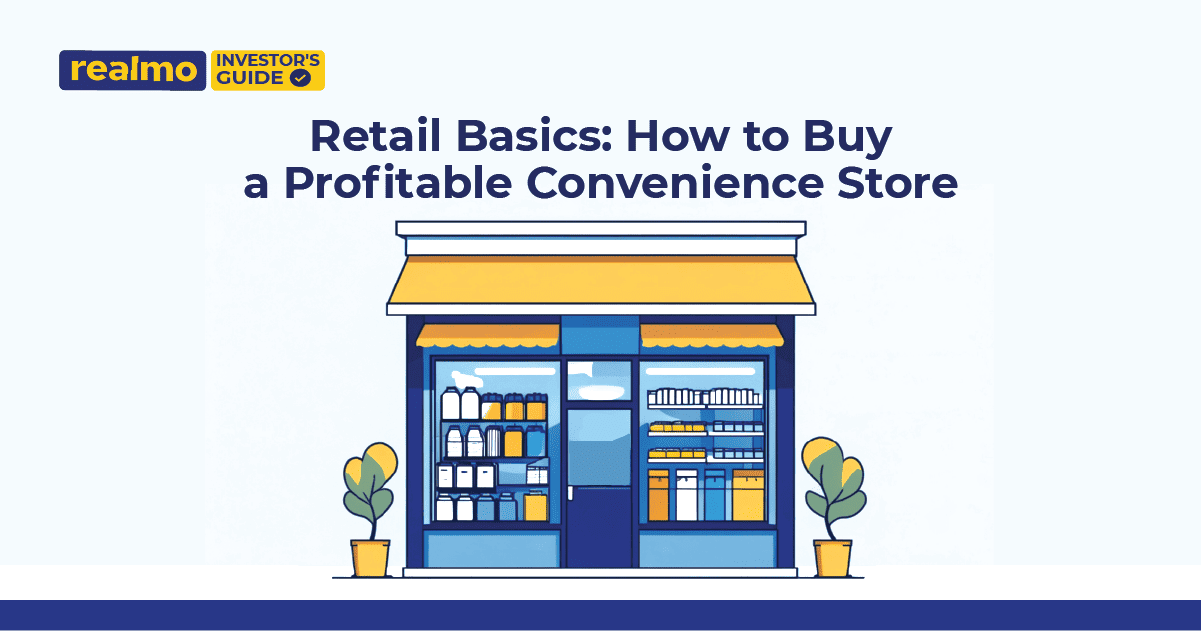
The convenience store doesn’t look like much from the curb. Gas. Gum. Coffee that’s been sitting too long. Easy to underestimate.
That’s a mistake.
A well-run c-store is one of the most stubbornly durable assets in retail. It throws off cash daily. It survives recessions. And it keeps selling long after trend-driven retailers are begging landlords for rent relief. People still commute. They still buy cigarettes, lottery tickets, and a coffee on the way to work. Economic cycles don’t change that—they just reshuffle the basket.
But here’s where new buyers get it wrong. Spotting the idea is easy. Owning a profitable store is not.
This isn’t a passive check you write and forget about. It’s a machine. A tight one. And if you don’t understand how that machine actually makes money—or where it quietly leaks—you’ll overpay, underperform, or both. Capital alone won’t save you. Discipline might.
Real buyers don’t start with a listing flyer or a broker’s pro forma. They start by learning how the cash moves, how the margins really stack up, and where deals tend to break once the honeymoon’s over.
That’s what this guide is about. No romance. No fluff. Just the mechanics of buying a convenience store that actually makes money—and keeps making it after the paperwork’s signed.
Phase 1: Is This Business Right for You?
Before diving into P&L statements, you need to ask whether this business model fits your lifestyle and risk tolerance. The convenience industry is bifurcated into two distinct operator types: the hands-on owner-operator and the absentee investor. Your choice will dictate your capital requirements and expected ROI.
Pros and Cons of Ownership
A candid assessment of the pros and cons is vital for long-term success. On the upside, a convenience store owner enjoys immediate, consistent cash flow and high inventory turnover. You are selling essential goods with inelastic demand. Furthermore, store owners often become pillars of their local community, securing a loyal customer base that large chains struggle to replicate.
However, the downsides are non-trivial. This is a high-volume, low-margin game that often requires 24/7 oversight. Staff turnover is notoriously high, and shrinkage (theft/spoilage) can erode profits if not aggressively managed. Unless you have the scale to hire a dedicated management layer, you are effectively buying a job that demands long hours and constant vigilance.
Choosing Your Model: Independent vs. Branded vs. Franchise
Success in the convenience store business often hinges on selecting the right business model for your risk tolerance.
Independent: This path offers the highest potential for margin retention. You have total creative control over the c-store, can negotiate your own vendor contracts, and pay no royalties. However, you lack brand awareness and support systems. This segment has the highest failure rate but the highest upside for savvy operators who know how to source high-margin new business products.
Franchise (e.g., 7-Eleven): The franchise model offers a turnkey solution with a proven playbook and established supply chains. The trade-off is significant: you sacrifice a large percentage of gross profit in royalties and advertising fees. You are essentially buying a job with a capped upside but a lower risk floor.
Branded (e.g., Shell, BP): This hybrid model is often favored by investors focused on fuel sales. You own the business and the real estate, but you sell branded fuel and must adhere to specific exterior standards. In exchange, you benefit from the oil major’s marketing and credit card processing networks. It strikes a balance, offering the brand awareness of a franchise with more operational freedom inside the store.
Phase 2: Location and Market Analysis
In real estate, location is everything; in the convenience store market, it is practically the only thing. A “profitable” store is 90% defined by its physical geography, which directly dictates foot traffic and fuel volume.
The Hidden Metrics of a “Right Location”
Sophisticated investors look beyond simple traffic counts. The right location is defined by “capture rate”—the percentage of passing cars that actually stop. This is heavily influenced by the “going-home” side of the street. It is far easier to attract new customers who are on their way home from work than those rushing to get there.
Analyze the ingress and egress points: can a customer turn left into your lot? If a median blocks access, you effectively lose 50% of your potential high-traffic volume. Furthermore, look for proximity to “traffic generators” that create consistent customer base density, such as large apartment complexes, construction sites, or university campuses. Retail stores isolated from these generators often struggle to maintain volume.
Analyzing Demographics and Competition
To gain a competitive edge, you must tailor your inventory to the local demographic. Businesses like convenience stores thrive on specificity. If your due diligence reveals a competitor—another convenience store or a big-box grocery—within a mile, you must identify the gap they are leaving.
Who are the customers? A blue-collar demographic often drives high sales in energy drinks, tobacco, and hot food (high margin). A collegiate demographic might demand late-night snacks and alcohol. Understanding the needs of your customers allows you to structure a product mix that the nearby supermarket ignores, insulating your new business from direct price competition.
Phase 3: The Financials – Valuation and Profitability
Digging into Due Diligence
In the world of commercial acquisitions, the books tell the story, but they often speak in riddles. Determining the true financial health of the business requires aggressive verification. Do not settle for simple Profit & Loss (P&L) statements; demand at least three years of federal tax returns. This is the only way to reconcile what the seller claims the existing business makes versus what they reported to the IRS.
Investors must scrutinize “Seller’s Discretionary Earnings” (SDE). Sellers often “add back” personal expenses—like cars, phones, or travel—to inflate the net profit number. While some add-backs are legitimate, others are red flags. Additionally, verify inventory turnover rates. A store where inventory sits for months suggests poor management or dead capital tied up in unsellable stock.
Pro Tip: Navigate the lease terms first. “First things first”: check the remaining lease length. A profitable business is effectively worthless if the lease expires in two years without a renewal option, destroying your negotiating position.
The Margin Reality: Gas vs. Groceries
To accurately project returns, you must deconstruct the revenue streams. A convenience store is essentially two businesses under one roof: a low-margin fuel distributor and a high-margin retailer.
Gas Station Dynamics: Fuel is a volume game. The gross margin on fuel is often just pennies per gallon. While high volumes of fuel sustain cash flow, they rarely drive the bottom line significantly.
Inside Sales: This is where the c-store profit model truly works. The “inside sales”—coffee, fountain drinks, snacks—should target a 30% to 40% gross margin.
The investment thesis is simple: Use the pumps to drive traffic, but use the store to drive store profit. Sophisticated investors focus on increasing the conversion rate of gas customers to inside shoppers. If you can move a customer from the pump to the coffee counter, your profit margin on that customer skyrockets.
Phase 4: Closing the Deal – Costs and Steps
The Step-by-Step Guide to Purchase
For those looking to open a convenience store through acquisition, the process follows a rigid legal and financial structure. This step-by-step guide outlines the critical path:
- Letter of Intent (LOI): This non-binding agreement sets the purchase price and terms, securing you a period of exclusivity.
- Due Diligence Period: You verify financials, inspect physical assets (fuel tanks, point-of-sale systems), and review vendor contracts.
- Lease Assignment: You must be approved by the landlord to take over the existing lease or negotiate a brand new lease.
- Closing: Money changes hands, and inventory is counted (audited) to finalize the sale price.
It is important to understand that this timeline can take 60 to 120 days. Rushing this process increases the risk of inheriting hidden liabilities.
Startup Costs and Financing Options
The specific startup costs to acquire an existing store vary widely, generally ranging from $50,000 (for a low-volume leasehold) to over $1 million (for prime real estate including land).
Financing is a major hurdle for a small business acquisition.
SBA 7(a) Loans: This is the gold standard for purchasing a convenience store. The SBA guarantees a portion of the loan, mitigating risk for lenders and offering favorable terms (typically 10 years for business assets, up to 25 years when real estate is included) to the buyer.
Seller Financing: If bank financing is tight, seller financing can bridge the gap. This aligns the seller’s interests with yours, as they only get paid if the store succeeds.
Investor Warning: Do not underestimate the working capital required for inventory management. You will likely need to purchase the current store inventory upfront, separately from the business price. Failing to budget for this “cash at close” can cripple your liquidity immediately. To increase your chances of success, ensure your business plan accounts for these immediate capital outflows.
Phase 5: The Legal Landscape – Licenses and Permits
The Essential License Checklist
There is perhaps no aspect of the convenience store business more tedious—yet more critical—than the permitting phase. A single missing permit or license can shutter your doors or heavily restrict your revenue. The regulatory environment varies by municipality, but the core licenses you need are consistent.
You must secure a general Business License and a Certificate of Occupancy immediately. However, the high-value licenses are specific to restricted goods. An Alcohol License (for beer and wine) is often the store’s most valuable intangible asset; in some states, these are quota-based and extremely expensive to transfer. A Tobacco License is mandatory for cigarette and vape sales. Additionally, lottery tickets provide a steady stream of foot traffic, requiring a separate Lottery Retailer License. Do not overlook the Health Permit if you plan to sell coffee, hot dogs, or any prepared food.
Compliance and Inspections
Navigating compliance requires vigilance. You are responsible for ensuring your new convenience store adheres to local health codes and Alcohol Beverage Control (ABC) regulations.
When buying an existing business, check the store’s violation history. Has the current owner been cited for selling to minors? Repeated violations can lead to license suspension. Convenience stores don’t just lose revenue when a license is suspended; they lose their competitive edge and reliability in the eyes of the customer. Ensure you have a clean slate upon taking ownership to run a convenience store without the shadow of past penalties.
Phase 6: Operational Excellence
Mastering Inventory Management
Once you own the keys, profitability depends on execution. Inventory management is the art of balancing variety with turnover. Successful c-stores live by the 80/20 rule: roughly 80% of your sales will come from 20% of your products. These “power SKUs” usually include beverage (energy drinks, beer), tobacco, and salty snacks.
You must rigorously identify and cull “dead stock”—items that gather dust and tie up cash. Your supplier relationships are key here; negotiate for better terms and consistent stocking of top sellers. Ensure your top-selling products are always in stock. If a customer walks in for their daily brand of cigarettes and you are out, you haven’t just lost a sale; you’ve likely lost the customer to the business like convenience stores down the street.
Modernizing the Customer Experience
In a sector known for grime, cleanliness is a disruptor. Modernizing the customer experience yields a high ROI for relatively low operating costs. Simple upgrades—like LED lighting to brighten the aisles, modernizing the point-of-sale (POS) system for speed, and maintaining pristine restrooms—can differentiate you from competitors.
Implement a loyalty program. Data shows that repeat customers drive the vast majority of revenue in retail businesses. A digital punch-card or app-based reward system for coffee or snacks creates a sticky customer base. In-store experience matters; today’s consumer expects the efficiency of a retail store with the speed of a pit stop.
Conclusion
Buying a convenience store is a serious business venture that requires a shift in mindset from consumer to analyst. By adhering to a disciplined checklist—validating the right location, auditing the financials, and ensuring every permit is active—you significantly reduce the inherent risks of business ownership.
The convenience store market offers a pathway to robust, recession-resistant cash flow for those willing to do the work. The opportunity is there; the shelves are stocked. If you are ready to run a convenience store, the next step is to consult a specialized broker and begin your search. Everything you need for success lies in preparation. Get started today.