Mcleansville, NC Commercial Land for Lease
Notify Me
List
Map
Whitsett, NC
Greensboro, NC
Gibsonville, NC
Browns Summit, NC
Burlington, NC
Julian, NC
Graham, NC
Jamestown, NC
- Whitsett, NC
- Greensboro, NC
- Gibsonville, NC
- Browns Summit, NC
- Burlington, NC
- Julian, NC
- Graham, NC
- Jamestown, NC


Commercial land for Lease in Nearby Cities


Similar Spaces for Sale in Mcleansville, NC


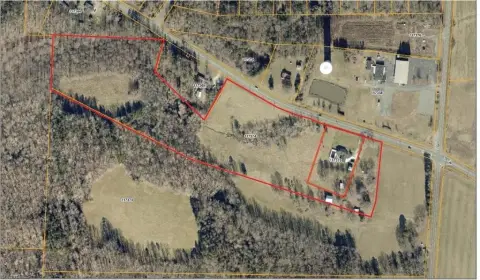


Mcleansville, NC Commercial land Lease Rates & Market Statistics
Explore 3 Commercial land listings for lease in Mcleansville, NC on Realmo, a commercial real estate exchange covering the Mcleansville area.
Mcleansville accounts for 27% of the 11 commercial land listings currently available across Guilford County, where nearby markets include Greensboro and High Point. Commercial land is one of the more limited space types in Mcleansville, with just 3 listings currently available — a scarcity worth factoring into lease negotiations.
How to rent commercial land in Mcleansville, NC
- Define what the ground must do. A retail pad site, contractor laydown yard, fleet parking lot, or industrial outdoor storage (IOS) parcel each demands different acreage, surfacing, and visibility. Start from the operation, not the listing.
- Verify zoning for outdoor use specifically. Many jurisdictions allow buildings but not open-air equipment staging or container storage. Check for conditional use permits, screening, buffer, and drainage requirements before committing to a lot.
- Score access and position. Use Location Intelligence to compare Mcleansville, NC parcels by highway proximity, ingress/egress quality, and traffic. A signalized corner suits a pad site while port or rail access drives IOS value.
- Benchmark the per-acre price. Land pricing is wildly inconsistent — yards trade anywhere from half a cent to 15 cents per sq. ft. monthly depending on surfacing, fencing, and access. Compare several quotes with the Lease Calculator.
- Negotiate improvements and what stays. Grading, gravel, fencing, lighting, and gates add real cost. Agree in writing on who pays and whether your improvements remain the landlord's at exit.
- Match the term to your workload. Month-to-month suits project-based contractors, while committed operators can trade a 5–10 year term for lower rates. Keep rights to expand, sublease, or downsize acreage as demand shifts.
List
Map