Hillsborough, NC Commercial Land for Lease
Notify Me
List
Map
Efland, NC
Durham, NC
Chapel Hill, NC
Mebane, NC
Hurdle Mills, NC
Carrboro, NC
Haw River, NC
Graham, NC
- Efland, NC
- Durham, NC
- Chapel Hill, NC
- Mebane, NC
- Hurdle Mills, NC
- Carrboro, NC
- Haw River, NC
- Graham, NC

Commercial land for Lease in Nearby Cities


Similar Spaces for Sale in Hillsborough, NC








Hillsborough, NC Commercial land Lease Rates & Market Statistics
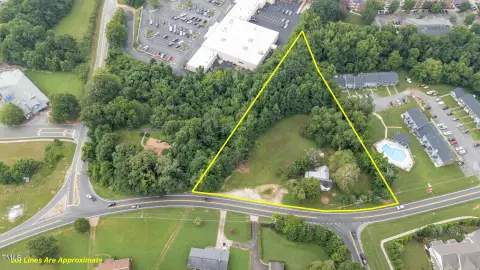
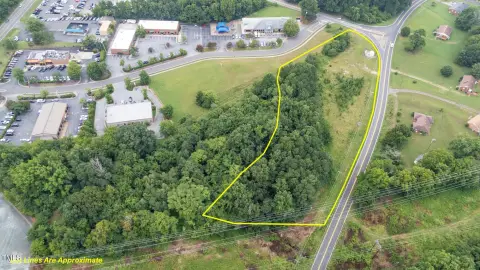
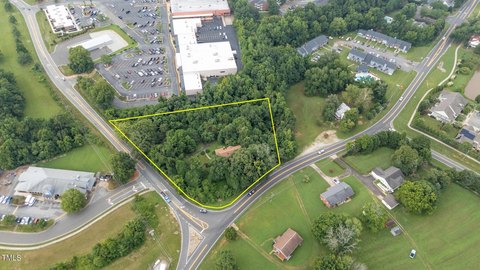
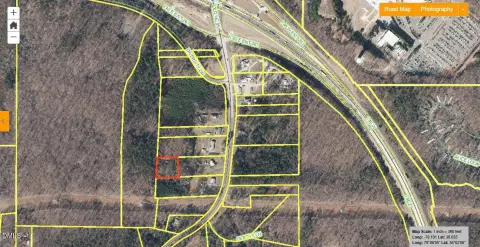
Browse 1 Commercial land listing for lease in Hillsborough, NC on Realmo, a commercial real estate marketplace serving the Hillsborough area.
Hillsborough accounts for 50% of the 2 commercial land listings currently available across Orange County, where a nearby market includes Chapel Hill. Commercial land is one of the more limited space types in Hillsborough, with just 1 listing currently available — a scarcity worth factoring into lease negotiations.
How to rent commercial land in Hillsborough, NC
- Define what the ground must do. A retail pad site, contractor laydown yard, fleet parking lot, or industrial outdoor storage (IOS) parcel each demands different acreage, surfacing, and visibility. Start from the operation, not the listing.
- Verify zoning for outdoor use specifically. Many jurisdictions allow buildings but not open-air equipment staging or container storage. Check for conditional use permits, screening, buffer, and drainage requirements before committing to a lot.
- Score access and position. Use Location Intelligence to compare Hillsborough, NC parcels by highway proximity, ingress/egress quality, and traffic. A signalized corner suits a pad site while port or rail access drives IOS value.
- Benchmark the per-acre price. Land pricing is wildly inconsistent — yards trade anywhere from half a cent to 15 cents per sq. ft. monthly depending on surfacing, fencing, and access. Compare several quotes with the Lease Calculator.
- Negotiate improvements and what stays. Grading, gravel, fencing, lighting, and gates add real cost. Agree in writing on who pays and whether your improvements remain the landlord's at exit.
- Match the term to your workload. Month-to-month suits project-based contractors, while committed operators can trade a 5–10 year term for lower rates. Keep rights to expand, sublease, or downsize acreage as demand shifts.
List
Map