Renting vs Leasing: My Insider Advice for Making the Right Call
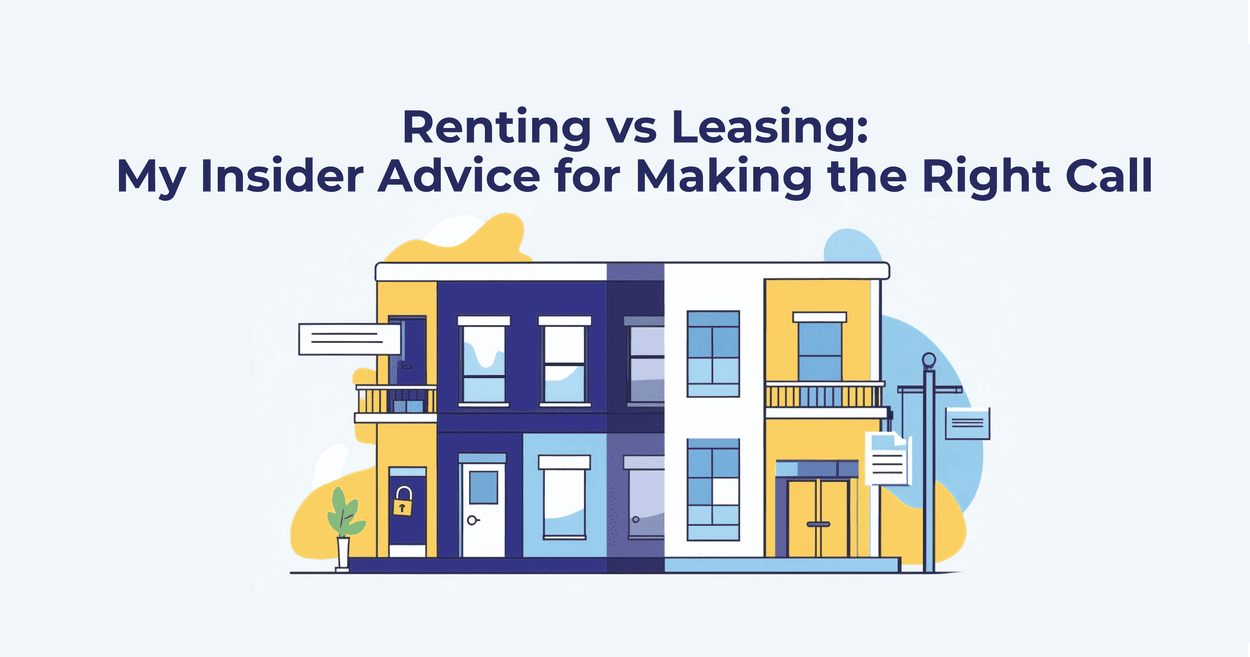
Renting and leasing – sound pretty much the same, right? I used to think so! Back when I first started navigating the world of property, I’d used those words interchangeably, until a seasoned property manager gave me a knowing smile and set me straight. Turns out, these aren’t just synonyms; they’re actually two different types of agreements, each with its own pros, cons, and quirks.
This article? It’s your guide to cutting through all the noise. We’ll break down the real differences between renting and leasing, so you can finally figure out which one’s the perfect fit for your life. I’m leveraging my years of experience in the property market to give you insights that go way beyond the typical textbook stuff – things that’ll empower you to make smart choices and dodge those sneaky pitfalls. So, whether you’re renting or leasing, get ready to become a property pro!
What is Renting?
At its heart, renting is all about a simple exchange. You, the tenant, pay money to a landlord in exchange for the temporary right to live in their property. It’s often thought of as a rental agreement, and it’s often short-term, think month-to-month rental. A great example? Imagine a recent grad, fresh out of college, snagging a gig in a bustling city. They might opt to rent a place near their office, giving them the option to jump ship for a better opportunity without facing hefty penalties. Hello location flexibility! So, short-term housing and convenient month-to-month arrangements are a defining characteristic.
The Typical Rental Agreement: Key Features
So, what do you actually get in one of these rental agreements? Well, a standard rental agreement spells out the basics – the rent amount, when it’s due (usually the 1st!), and the basic house rules i.e. whether or not you can have pets, how loud you can get after 10pm and where to park. What many renters don’t realize is that these short-term rental contracts also come with built-in tenant rights, assuring the tenant has a habitable living space and protection from unlawful discrimination. The landlord, of course, also has responsibilities, for instance maintaining habitability or giving you advanced notice if they need to do repairs (there’s is often a “right of entry” clause).
Flexibility and Freedom: The Advantages of Renting
The biggest win with renting? Undeniably, the pure, unadulterated flexibility. Short rental agreements mean easier adaptation, should a change in circumstance like the location flexibility of a traveling nurse. She could take a job that would be extremely helpful for career growth, and switch to housing nearby the new gig, something most leases can’t offer. For those whose jobs or lifestyles demand constant movement – or, who simply want to give different neighborhoods (or even cities!) a whirl before fully settling, the freedom is amazing.
What is Leasing?
Alright, shifting gears here. Leasing, unlike renting, is like entering into a committed relationship… with a property. It involves signing to a “lease agreement,” a longer-term commitment where you’re essentially promising to stay put for a predetermined amount of time. Think several months, at least, often stretching to a year or even longer. This is a stark contrast with the month-to-month freedom you get with renting. Meaning that both lease and tenant are binded by the terms outlined within the agreement.
The Standard Lease Agreement: Key Features
Of course, lease agreements share some similarities with rental agreements – they both specify the rent, the payment schedule, and the dreaded property rules. The twist? The duration. Most importantly, keep an eye out for the “early termination clause,” which is a lease’s equivalent of a prenup. I once had a client who encountered an amazing job in a new state six months into his year-long lease, and breaking his lease ended up costing him several month’s rent! Because the lease bound him by penalties, he was required to pay those. It highlighted the gravity of what happens in these documents.
Responsibilities and Commitment: The Nature of Leasing
In conclusion, leasing is a serious commitment! It’s not just about the time, though; tenants sometimes shoulder more responsibility when it comes to property upkeep than in rental agreements. Sure, the landlord typically handles the big stuff, but the lease might pin you with lawn care, minor repairs, or other smaller tasks. And so those potential maintenance obligations emphasize those commitments as much as length of time does.
Key Differences: A Side-by-Side Comparison
Okay, let’s make this crystal clear with a quick breakdown: a renting vs leasing comparison:
| Feature | Renting | Leasing |
| Duration | Typically month-to-month, short-term housing | Usually 6 months to 1 year+, longer term commitment |
| Cost | Can fluctuate; potentially higher monthly | More stable; often lower monthly over long term |
| Flexibility | High; easy location flexibility | Low; breaking the lease can be costly |
| Maintenance Responsibility | Primarily landlord’s responsibility | Tenant may have some responsibility |
| Early Termination | Easier to terminate with proper notice | Penalties usually apply, early termination fees |
| Commitment Level | Low | High |
| Rent Increases | More frequent potential for increases | Typically fixed for the lease duration |
The table illustrates key differences between renting and leasing to help you quickly grasp the key differences between renting and leasing. Careful planning will help you sort out which set of circumstances will best fit you.
Benefits and Drawbacks of Renting

The Upsides of Renting: Flexibility and Convenience
The real magic of renting lies in how darn flexible and convenient it is. This benefit is key for life transitions or unsure longterms. It gives you options versus being locked into a fixed term. To show you how it helped a recent student on a gig in a new town, who I told to rent because it keeps their options open — renting allows swift response to life!
The Downsides of Renting: Cost and Limitations
But renting’s benefits always come with some costs or limitations. Keep in mind some have higher prices, particularly if you contrast a rental with a lease with fixed rate. Further, renters typically have less space to customize, since it’s difficult to build equity here, as they do with owning a home. And so this could particularly frustrate people hoping for more control.
Benefits and Drawbacks of Leasing
Advantages of Leasing: Stability and Potential Savings
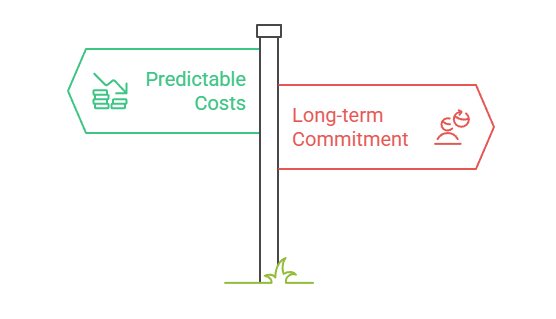
As for the other option? Leasing offers great predictability for savings and predictable costs. You fixed year can be great, shown by the fact leasing allows for more fixed housing and saving with stability of costs. While prices go from 1500 to 1400 with fixed rates, consider that this leads to landlords developing good trust with renters too!
Disadvantages of Leasing: Commitment and Restrictions
Okay, that doesn’t mean it only offers perks! A long commitment can impact long term savings by locking you into penalties, making things quite difficult (e.g., you might have to sublet.) You can experience lack of flexibility with customization and long commitment.
Which is Right for You? Factors to Consider
Assessing Your Needs and Circumstances
In these circumstances, consider what you want, and assess your actual needs! Take the time for serious planning, and ask questions such as:
Will you stay under half a year or longer? What kind of stability do you need?
Are you likely to move a ton?
If you have shorter stays, renting will be key, especially since it offers some great opportunities. It’s really the only way you can secure your circumstances properly.
Financial Considerations: Budgeting and Long-Term Goals
The budget is so key in making these renting and lease decisions! Consider budgeting plans, with Apps like Min or YNAB. So with more predictable goals, be mindful to prioritize a stable lease for income and future growth instead of the flexibility!
Lifestyle and Flexibility: Prioritizing Your Needs
And then you need a sense of planning and flexibility, and consider the right rental or lease that accommodates lifestyle (such as travel for a remote worker) and aligns with prior long-term commitments.
Renting frees people up so they can adapt for any circumstances, and it is quite essential you take renting and leasing seriously.
Negotiating Rental and Lease Agreements: My Expert Tips
Preparing to Negotiate: Research and Knowledge
Prior to negotiation, you need knowledge! Find the real comps with Zillow and Trulia and apartments.com. And consider who the property managers are as well, since opening more lines of communication are key here! Also, find additional comparable properties . Take all that carefully, and be sure you can back up your point and any of negotiation tactics.
Key Negotiation Points: Rental Costs, Lease Term, and Amenities
Okay, you need some good negotiating with lease agreements! Rental prices have to be negotiable with comps, and consider cutting terms for lower fees as well too! One example goes that, in exchange for signing rent or a lease, the customer is often very content and happy, with a nice parking space. Creative terms work best.
Building a relationship with your Landlord
Landlord property manager communication is essential for a better living situation as you can improve living circumstances. To see the rewards you have to maintain open channels with your landlord respectfully – this can offer good quick repairs and some great deals!
Common Pitfalls to Avoid
Overlooking the Fine Print: Reading the Agreement Carefully
Avoid overlooking the lease agreement. All those things on early termination fees matter. Just like utilities! Make sure your clauses are carefully examined to avoid a cost error.
Read the full language!
Failing to Document Property Conditions: Move-In and Move-Out Inspections
Always perform careful move-in and out conditions, and see what you can do to document every bit with both videos and photos! Take a checklist, note things from walls to appliances to know every flaw.
Misunderstanding Your Rights and Responsibilities
Make sure you know all tenants rights as well with things like Safe Space so you avoid being taken advantage of.
Conclusion
Deciding between renting and leasing is a significant decision with financial and lifestyle implications. Renting offers freedom, and leasing provides stability. Both are attractive, depending on the individual. By now, you’re hopefully in a great position to decide what you want to do with your next steps. The best approach is to carefully evaluate your needs, your financial situation, and lifestyle preferences. This will help you find the perfect place for your unique circumstances.
I’ve drawn on my experience in both legal and real estate contexts to provide an extensive guide for your next steps. While I can’t tell you what the best option is, I’m here to help if you do have any questions. Feel free to reach out if anything is unclear or if you have any further questions. Finding the correct housing option for you is one of the most important decisions you can make, take it seriously and do all the research necessary!